Goosebumps from a song
The key change in the last chorus, a singer holding a note at a live show, the swell of a movie score, and suddenly the hair on your arms stands up. Scientists call it musical chills, or frisson.
Not everyone gets them, and the songs that trigger them are different for each person. That is exactly what makes them interesting to study.
Read also: The Mandela Effect: why so many people remember it wrong and Why do we yawn when we see someone else yawn?.
What the first brain study found
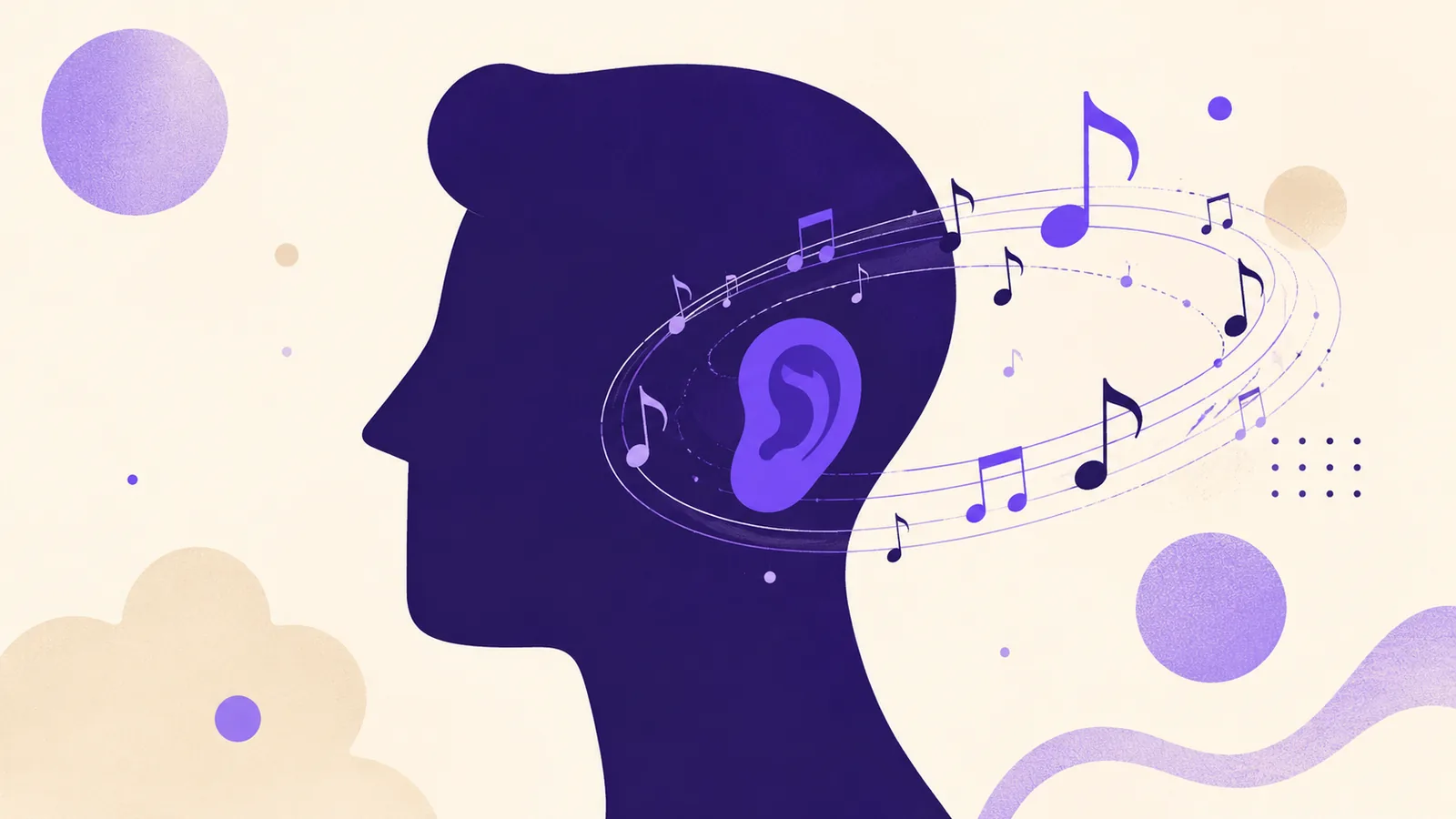
Anne Blood and Robert Zatorre, at McGill University in Montreal, scanned the brains of musicians while they listened to passages that reliably gave them chills. The stronger the chills, the more activity showed up in regions tied to reward and emotion, the same circuits involved in responses to food and other sources of pleasure.
Source: Blood and Zatorre, Intensely pleasurable responses to music, PNAS, 2001.
Why music has that power
Music plays with expectation. Your brain constantly predicts what comes next and reacts when the song confirms or breaks that prediction in a satisfying way. Personal memories attached to a song, like the one from your wedding or a road trip, make the reaction even stronger.
Dopamine arrives before the chill
A decade later, another McGill team combined two types of scans to track dopamine, a brain chemical linked to pleasure and motivation, while volunteers listened to their own favorite tracks.
They found two phases. In the seconds before the big moment, dopamine was released in an area tied to anticipation. At the moment of the chill, the release happened in a different area, tied to reward. In other words, part of the pleasure comes from waiting for the drop, not only from hearing it.
Why some people feel it more
A 2016 study compared people who often get chills from music with people who rarely do. The chills group had more connections between the part of the brain that processes sound and regions involved in emotion and in sensing the body.
The study was small, with 20 participants, so the finding still needs to be confirmed. But it helps explain why the same song can floor one person and leave another unmoved.
If you never get them
Not feeling chills from music is common and does not mean you enjoy music any less. On a related note, see why some songs get stuck in your head.
Sources
- Blood AJ, Zatorre RJ. Intensely pleasurable responses to music correlate with activity in brain regions implicated in reward and emotion. PNAS, 2001. https://doi.org/10.1073/pnas.191355898
- Salimpoor VN et al. Anatomically distinct dopamine release during anticipation and experience of peak emotion to music. Nature Neuroscience, 2011. https://doi.org/10.1038/nn.2726
- Sachs ME et al. Brain connectivity reflects human aesthetic responses to music. Social Cognitive and Affective Neuroscience, 2016. https://doi.org/10.1093/scan/nsw009
Frequently asked questions
Why does music give me goosebumps?
Blood and Zatorre linked musical chills to activity in brain areas tied to reward and emotion.
Does everyone get chills from music?
No. Many people rarely or never feel them, and that is normal.
Which part of a song gives the most chills?
It varies, but moments of change or surprise, like a key change or a big entrance, are often mentioned.
Can you train yourself to get chills from music?
There is no proven method. Since anticipation is part of the response, listening closely to songs you know well may help, but it varies from person to person.