The cart that fills itself
You run into Target for paper towels and walk out with a full cart and a receipt you did not expect. It is not a lack of willpower: it is your surroundings and your state at that moment working together. Understanding both helps more than promising yourself that "this time will be different."
Three factors show up again and again: your body's state (hunger and fatigue), the store layout, and having no plan decided before you walk in.
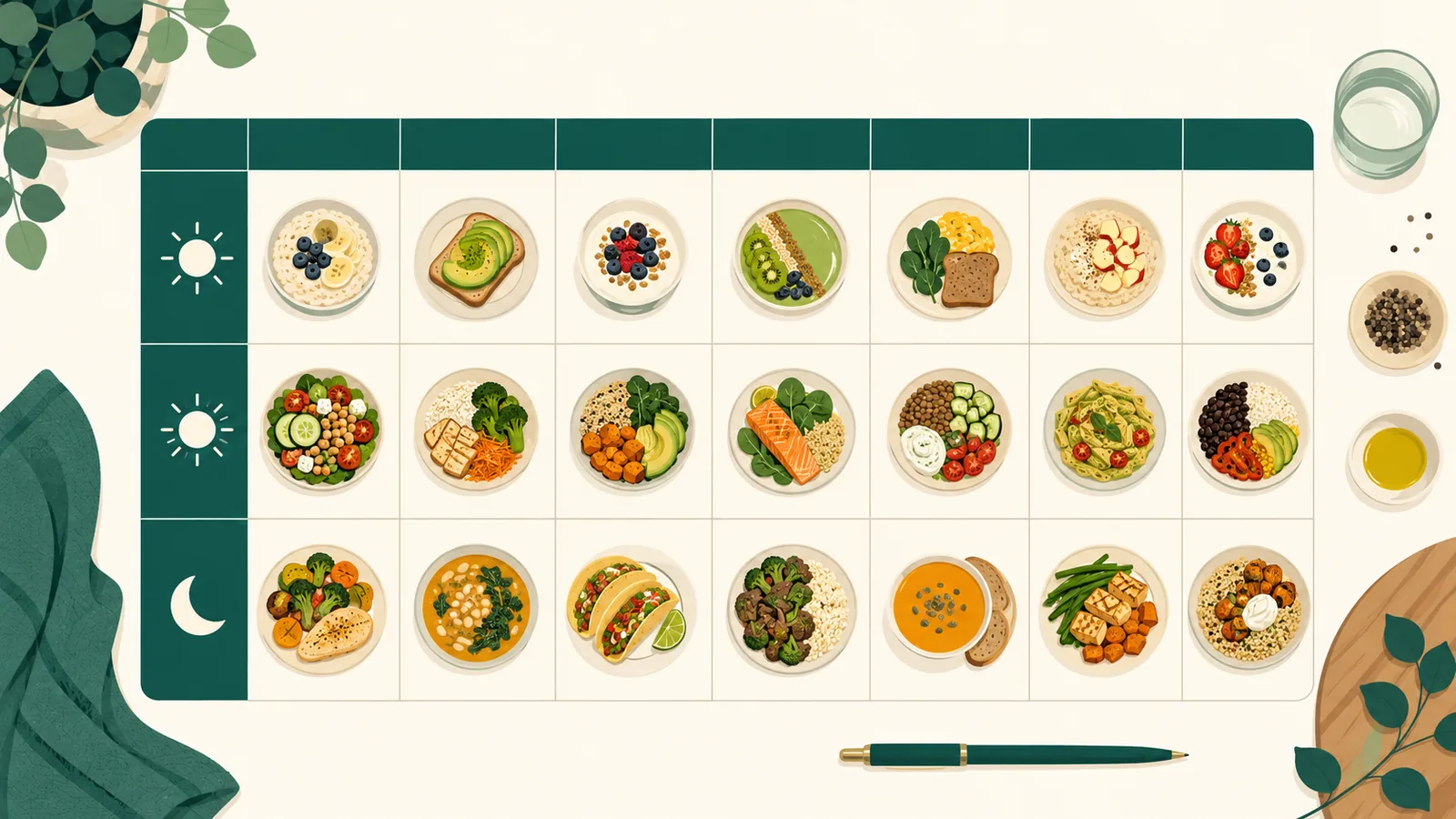
Read also: Weekly meal planning: how to save time and money and How to store food to last longer in the pantry.
Hunger makes you want to grab things, even non-food
A set of five studies published in PNAS tested whether hunger affects the urge to acquire objects that do not satisfy hunger. It did: hungry people were more likely to take and buy non-food items, like binder clips, both when they were free and when they had to pay. In one part of the research, done at a department store, the team compared receipts from shoppers who were hungry and those who had eaten.
The most curious part is that hunger did not make people like the items more. It only increased the urge to take them. The authors explain that hunger triggers an "acquire" mindset that spills over into decisions unrelated to food.
Source: Xu, Schwarz and Wyer, Hunger promotes acquisition of nonfood objects, PNAS, 2015.
Fatigue and the store do the rest
At the end of the day, in a hurry, you tend to grab whatever is most visible. And what is most visible is there on purpose: end caps, eye-level shelves and the checkout lane are prime real estate for new products, promotions and impulse buys.
Add deals like "buy 2, get 1 free" and warehouse club bulk packs. They only save money if you were going to use that amount before it expires. Otherwise, the discount turns into waste.
Why the list works
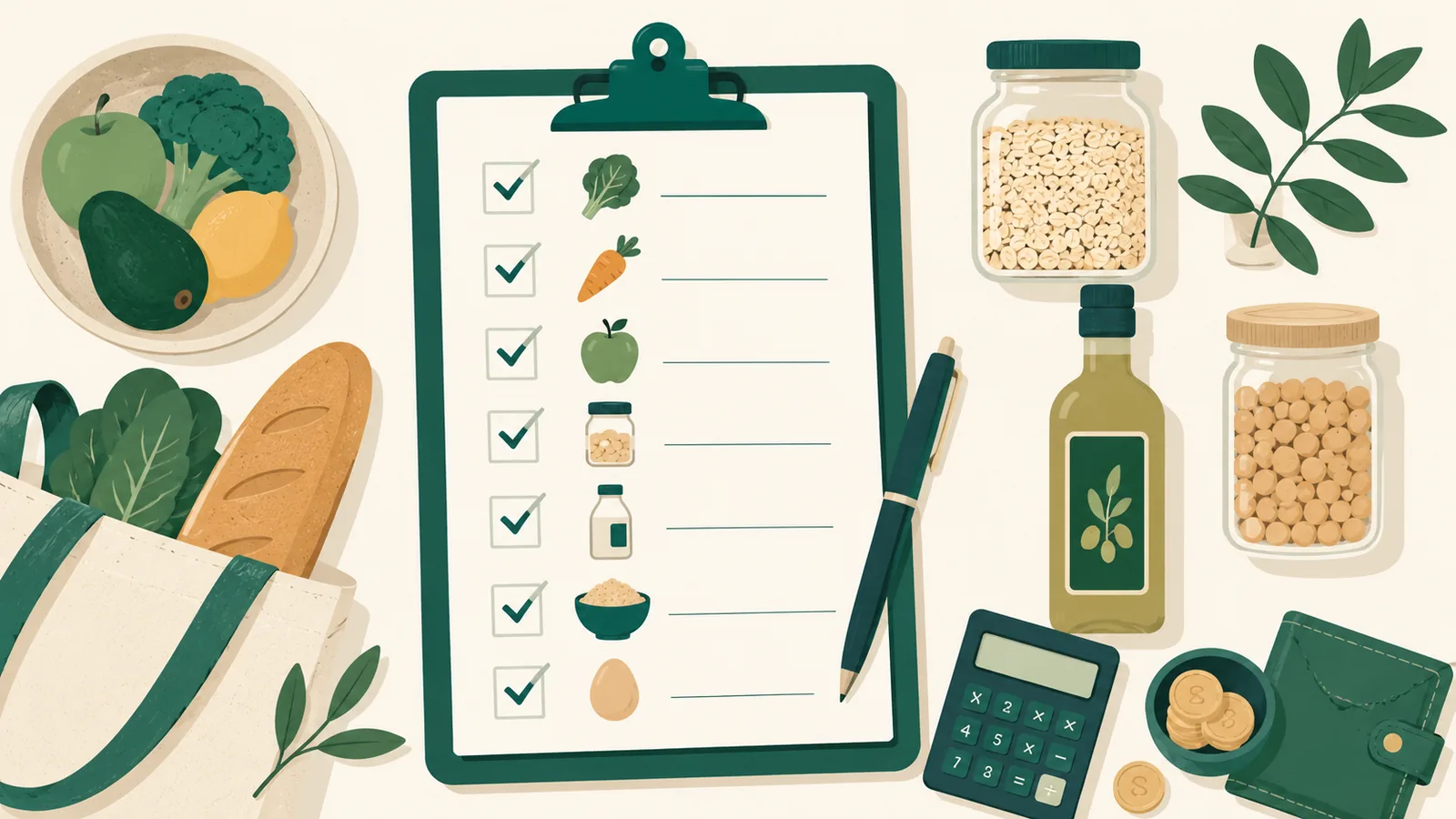
A list is not just a reminder. It is a decision made in advance, at home, not hungry, not rushed and without the shelf in front of you. In the store, the question stops being "do I want this?" and becomes "is this on the list?", which is much easier to answer when self-control is at its weakest.
A list built from what you will cook this week works even better, because you do not buy ingredients with no purpose. See why meal planning works.
How to make the mechanism work for you
- Eat before you go. It is the simplest change and is backed by the study above.
- Write the list in store order. Fewer laps around the aisles means less exposure to end caps.
- Leave one free line. A "something I love" item on the list prevents the sense of sacrifice that makes people quit after a few weeks.
- Check the pantry first. Much repeat buying comes from not remembering what you already have.
- Use online ordering or curbside pickup on purpose. It removes the bakery smell and the checkout candy, but watch for suggested items and "free delivery over" thresholds.
- Deals only count if the item was already on the list or is something you always use and can finish before it expires.
Sources
- Xu AJ, Schwarz N, Wyer RS. Hunger promotes acquisition of nonfood objects. PNAS, 2015. https://doi.org/10.1073/pnas.1417712112
Frequently asked questions
Does shopping hungry only make you spend more on food?
Not only. In the PNAS study, hungry people also wanted to take more non-food items, even when they had to pay.
Does ordering groceries online stop impulse buys?
It removes some triggers, like the bakery smell and the checkout lane, but adds others, like suggestions and free-delivery minimums. The list is still the main protection.
Is buying in bulk worth it?
Only when you are sure to use the item before it expires and have room to store it. Otherwise, the savings often turn into waste.