What makes food shelf-stable
Rice can sit in the cupboard for months, a can of corn can last years, and an open bag of flour sometimes gets pantry moths in weeks. The difference is how well each food is protected from what makes food spoil. The USDA explains that shelf-stable foods have been heated and/or dried to destroy microbes and sealed in sterile, airtight packaging.
Source: USDA FSIS, Shelf-Stable Food Safety.
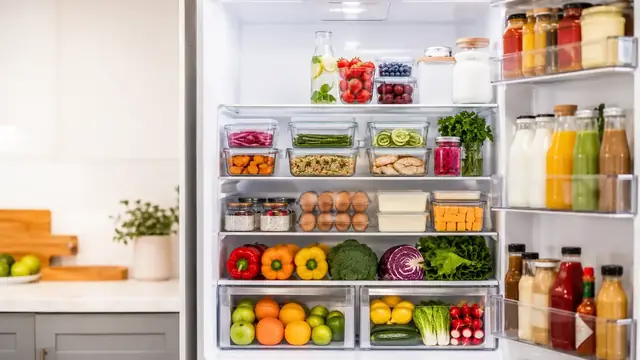
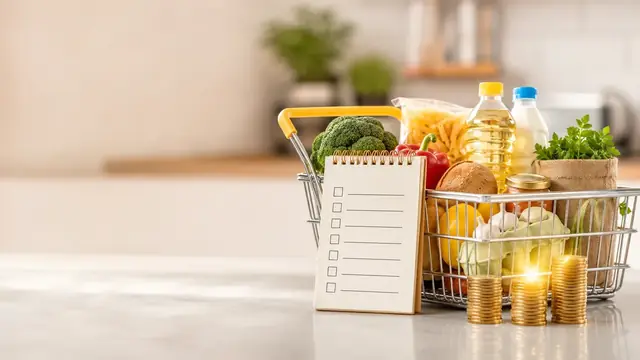
Read also: How to organize your fridge to save money and Smart grocery list: how to save without cutting what you love.
Why canned tomatoes last less than canned corn
Inside the can, acidity matters. High-acid foods slowly react with the can, changing taste and texture. For best quality, the USDA suggests:
| Type of canned food | Examples | Best quality on the shelf |
|---|---|---|
| High acid | Tomatoes, fruit, pickles | 12 to 18 months |
| Low acid | Corn, peas, meat, soups (except tomato) | 2 to 5 years |
That applies to cans in good condition. Bulging, rusted, leaking or deeply dented cans go in the trash, without tasting.
The pantry's enemies
- Heat: keep canned and dry goods in a cool, dry place, away from the stove, the dishwasher and under the sink. The USDA cites temperatures below about 85°F as best.
- Humidity: it encourages mold and rusted cans.
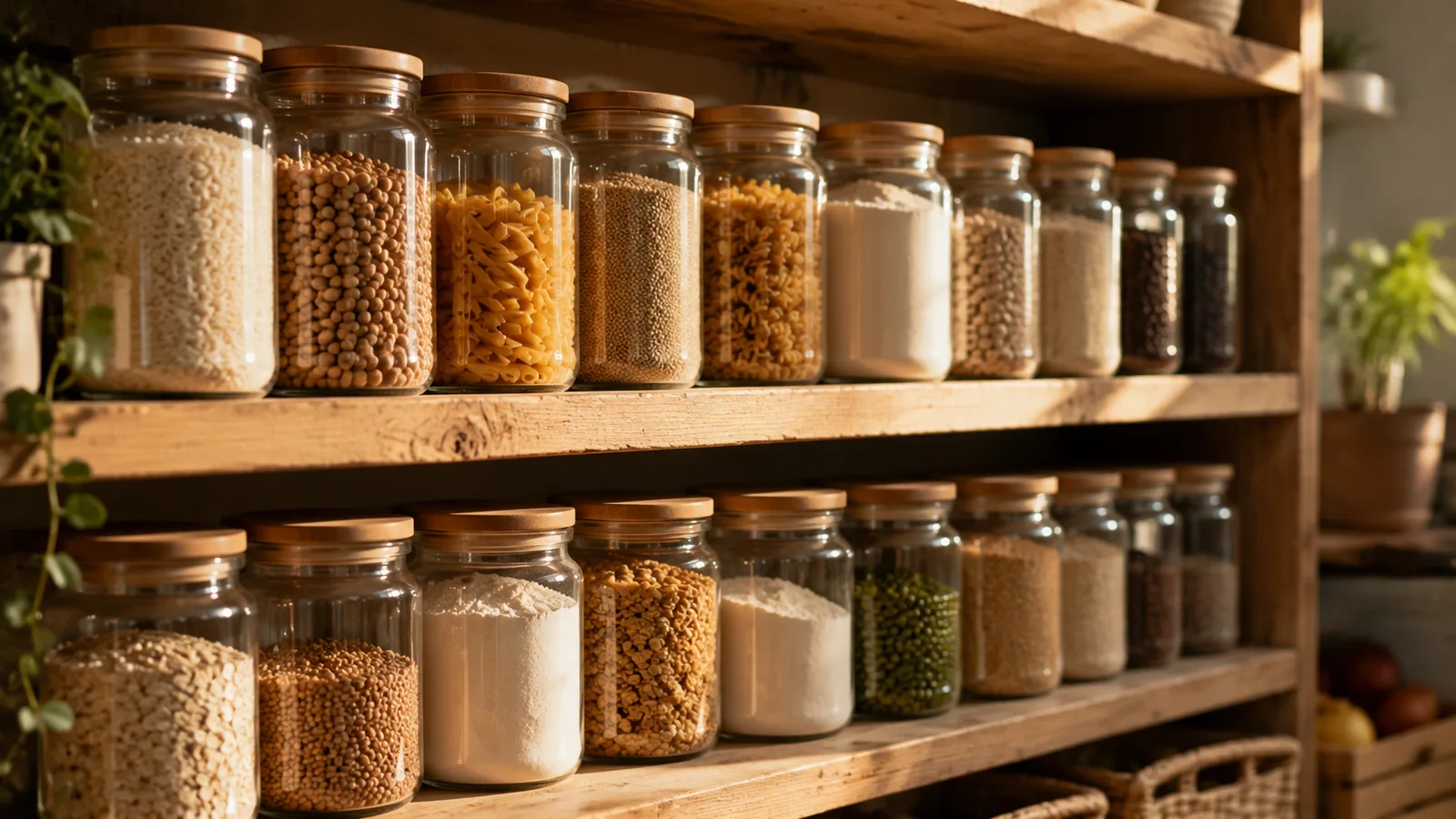
- Air and pests: once opened, flour, cereal, coffee and grains keep better in airtight containers.
- Forgetting: new items go in the back, older ones in front.
Dates are about quality, mostly
In the U.S., "best by" and "use by" dates on shelf-stable foods are mostly about quality, not safety, except for infant formula. Once opened, a pantry item often becomes perishable and moves to the fridge, so read the label. Keeping a simple inventory also stops repeat buying. See how to build a smart grocery list.
Sources
- USDA Food Safety and Inspection Service. Shelf-Stable Food Safety. https://www.fsis.usda.gov/food-safety/safe-food-handling-and-preparation/food-safety-basics/shelf-stable-food
Frequently asked questions
How long does canned food last?
According to the USDA, high-acid cans keep best quality for 12 to 18 months and low-acid cans for 2 to 5 years, if the can is in good shape.
Is food past its "best by" date safe?
For most shelf-stable foods, the date is about quality. Discard anything with a damaged can, odd smell or mold.
Where is the worst place to store food?
Near heat and moisture: above the stove, next to the dishwasher or under the sink.
How do I keep pantry moths away?
Store opened grains, flour and cereals in airtight containers and check older packages regularly.