The size of the problem
The UN Environment Programme's Food Waste Index Report 2024 estimated that more than 1 billion tonnes of food were wasted worldwide in 2022, and that most of it happened inside homes, not in stores or restaurants. Think of the half-eaten takeout, the bag of salad that turned to slime and the forgotten container at the back of the fridge.
Source: UNEP, Food Waste Index Report 2024.
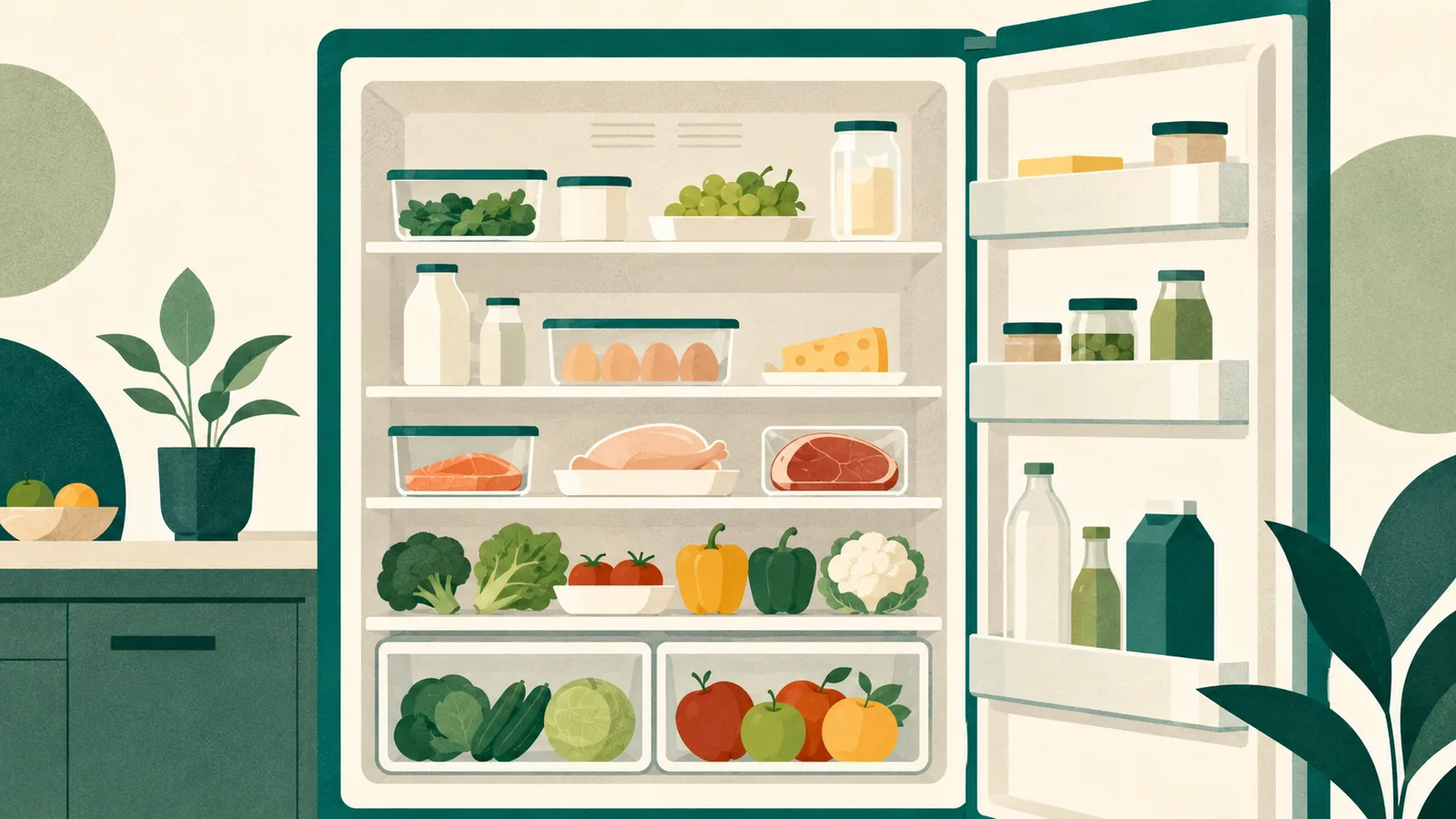
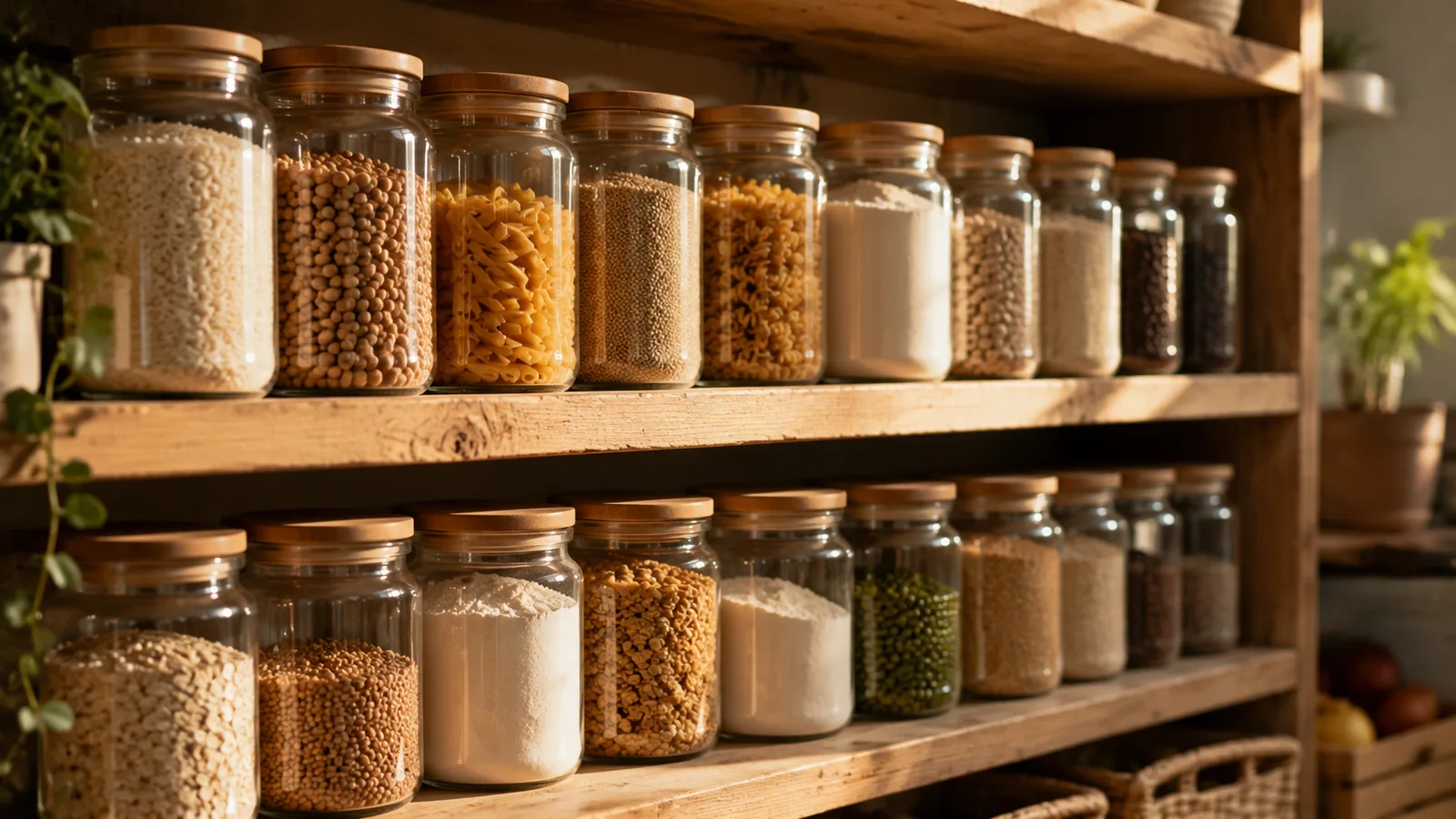
Read also: How to organize your fridge to save money and How to store food to last longer in the pantry.
Why food gets left over
Cooking extra "just in case," buying in bulk without a plan and losing containers behind the milk are the usual reasons. Leftovers are not the problem; having no plan for them is.
How to plan your leftovers
- Pick one night a week as leftovers night.
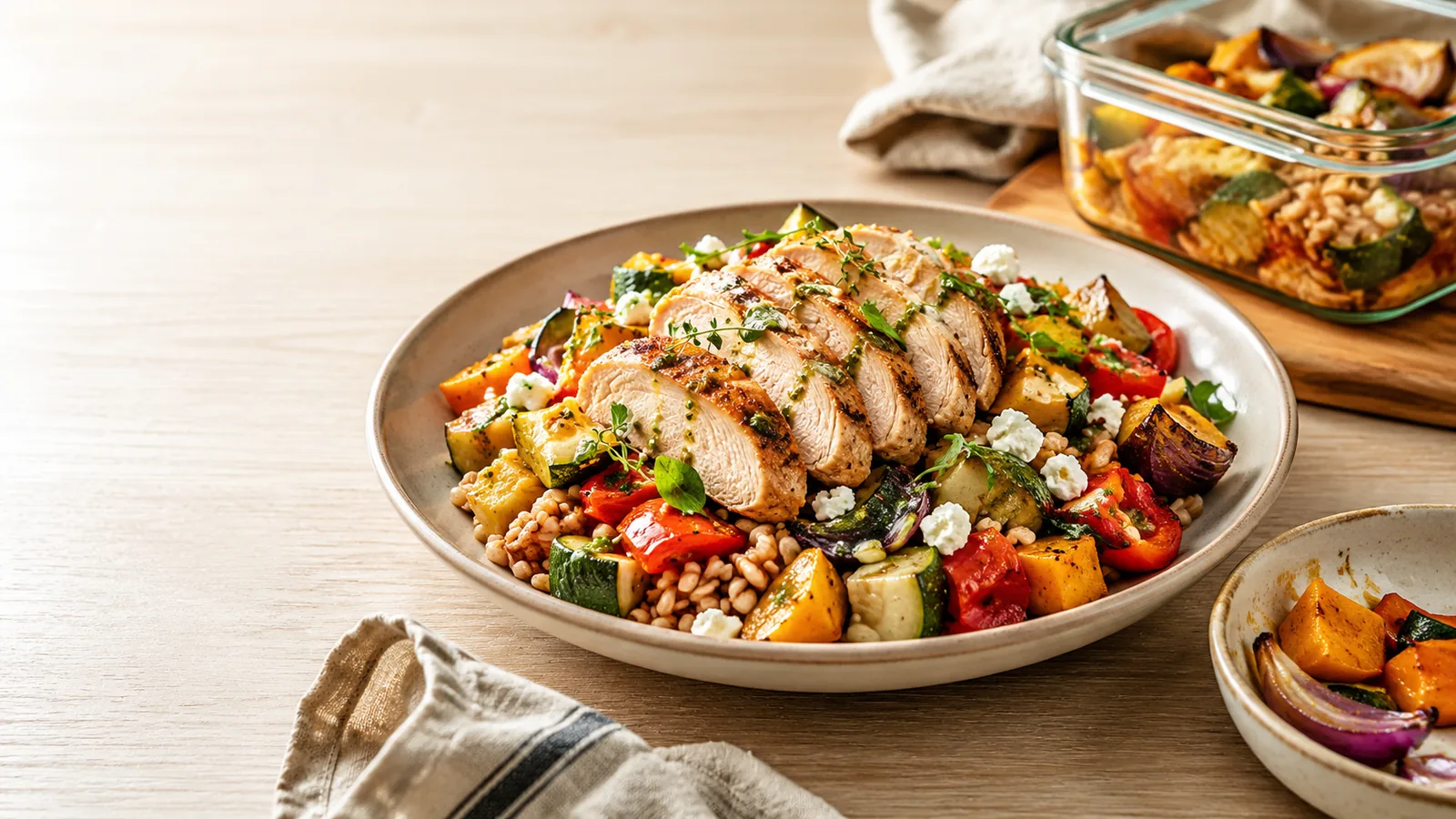
- Rice becomes fried rice; roasted vegetables become a frittata, soup or grain bowl.
- Roast chicken turns into tacos, quesadillas, chicken salad or soup.
- Stale bread becomes French toast, croutons or bread pudding.
- Overripe bananas and berries go into smoothies or banana bread.
A routine that keeps food from going bad
- Label every container with what it is and the date it was made.
- Keep an "eat first" shelf in the fridge.
- Portion food before freezing so you only thaw what you need.
- When you plan the week's meals, think about what from one dinner can become the next day's lunch.
Food safety first
The FDA advises refrigerating perishable food within 2 hours of cooking, or within 1 hour if it has been sitting somewhere above 90°F, like a summer cookout. Store food in covered containers, label them with the date and reheat thoroughly. When in doubt, throw it out.
Source: FDA, Are You Storing Food Safely?.
How long to keep leftovers and how to reheat them
The USDA Food Safety and Inspection Service recommends cooling food quickly by dividing large amounts into shallow containers. Hot food can go straight into the fridge.
According to the agency, most leftovers keep 3 to 4 days in the fridge or 3 to 4 months in the freezer; after that, frozen food stays safe but loses flavor and texture. When reheating, food should reach 165°F, and sauces, soups and gravies should come to a rolling boil. In the microwave, cover the dish and stir halfway through so it heats evenly.
Source: USDA FSIS, Leftovers and Food Safety.
Sources
- UNEP. Food Waste Index Report 2024. https://www.unep.org/resources/publication/food-waste-index-report-2024
- FDA. Are You Storing Food Safely? https://www.fda.gov/consumers/consumer-updates/are-you-storing-food-safely
- USDA Food Safety and Inspection Service. Leftovers and Food Safety. https://www.fsis.usda.gov/food-safety/safe-food-handling-and-preparation/food-safety-basics/leftovers-and-food-safety
Frequently asked questions
How long do leftovers last in the fridge?
Most keep 3 to 4 days, according to the USDA. Refrigerate within 2 hours, label with the date and throw out anything you are unsure about.
Where does most food waste happen?
According to the UN's 2024 report, most of it happens in households.
Can I freeze leftovers?
Many dishes freeze well for 3 to 4 months; single portions make them easier to use.
Can I reheat leftovers more than once?
The USDA says food reheated to 165°F can go back in the freezer, but it is better to reheat only the portion you will eat, for flavor and texture.