It is not just thirst
Thirst is the best-known sign, but it does not always show up first, especially in older adults. Other signs appear earlier and are often mistaken for tiredness or stress.
The signs listed by the NHS
The British health service NHS lists these symptoms of dehydration:
- thirst;
- dark yellow, strong-smelling urine;
- urinating less often than normal;
- dizziness or feeling lightheaded;
- tiredness;
- dry mouth, lips and eyes.
Source: NHS, dehydration.
Who needs more attention
Babies, small children and older adults dehydrate more easily, as do people with diarrhea, vomiting, fever, diabetes or who spend a lot of time in the heat. In older adults, thirst fades with age, so it is worth offering water throughout the day.
How to stay hydrated
Urine color is a practical guide: light yellow usually indicates good hydration. Keep a bottle in sight, drink with meals and drink more in the heat and during exercise. See water during exercise and frequent headaches.
How much water, in practice
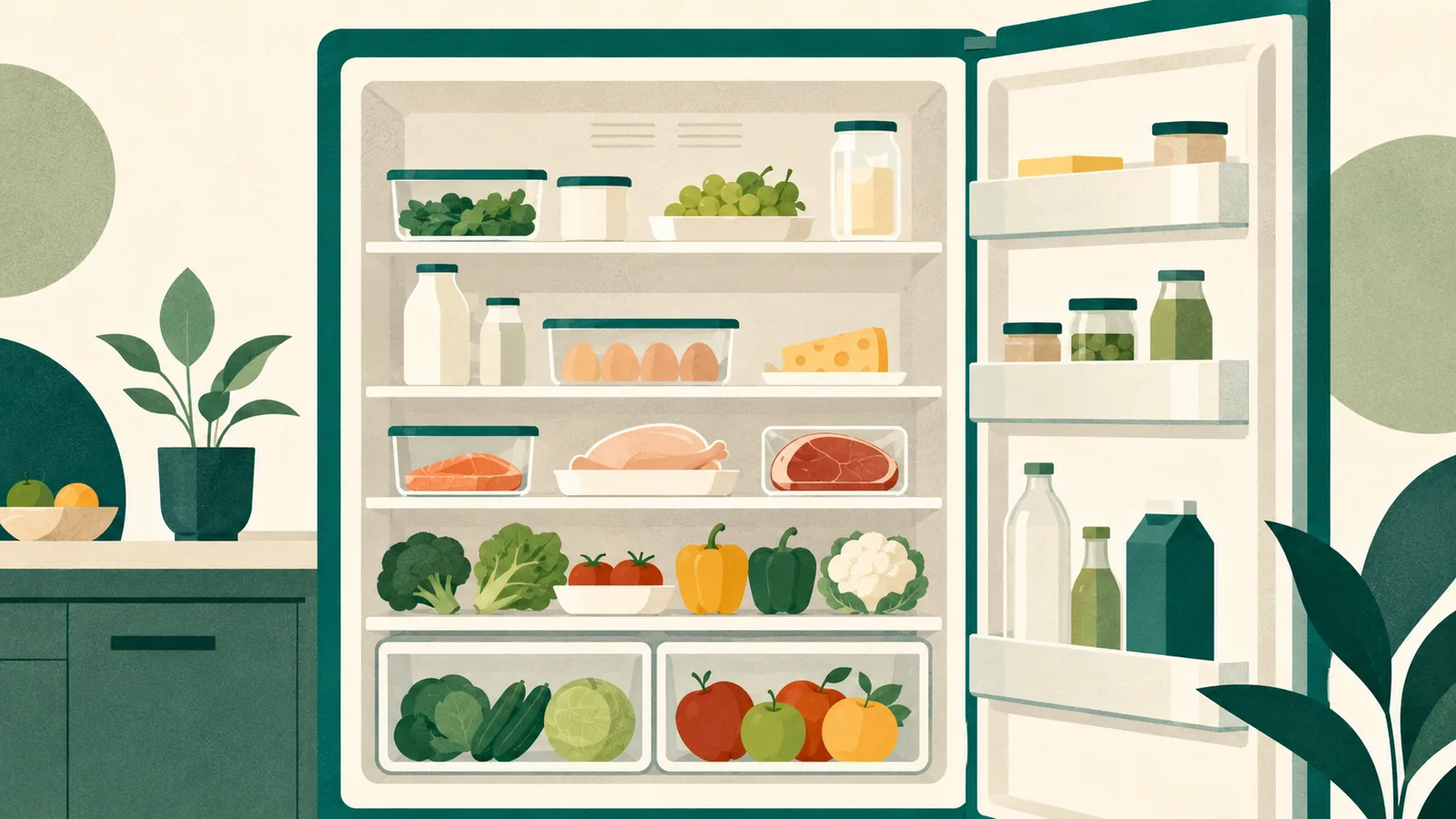
The European Food Safety Authority, EFSA, set reference values for adults: about 2 liters of water a day for women and 2.5 liters for men. The detail few people know is that this figure includes water from all sources, not just the glass. According to the agency, around 20% usually comes from food.
Fruits, vegetables, soups, milk and juices count toward the total. On hot days, during physical activity and in people who sweat a lot, the need goes up.
Source: EFSA, Scientific Opinion on Dietary Reference Values for water, EFSA Journal, 2010.
What about coffee, does it dehydrate?
It is a common belief, but a study published in PLoS ONE tested it with men who already had the habit of drinking coffee. On days with about four cups of coffee and on days with only water, hydration markers were similar. For the authors, moderate coffee contributes to hydration in a way similar to water.
This does not hold for any amount: too much caffeine has other effects on the body. See signs you are overdoing caffeine.
When to seek help
Seek care if there is confusion, fainting, a very fast heartbeat, no urine for many hours, or diarrhea and vomiting that keep you from holding down fluids. In babies, a dry diaper for many hours and a sunken soft spot are warning signs.
Sources
- NHS. Dehydration. https://www.nhs.uk/conditions/dehydration/
- EFSA Panel on Dietetic Products, Nutrition, and Allergies. Scientific Opinion on Dietary Reference Values for water. EFSA Journal, 2010. https://doi.org/10.2903/j.efsa.2010.1459
- Killer SC, Blannin AK, Jeukendrup AE. No Evidence of Dehydration with Moderate Daily Coffee Intake. PLoS ONE, 2014. https://doi.org/10.1371/journal.pone.0084154
Frequently asked questions
Is dark urine always dehydration?
Often, but some foods, vitamins and medications also change the color. If it persists with good hydration, see a doctor.
Does coffee dehydrate?
Coffee contains water and, in moderate amounts, counts toward daily hydration. Excess has other effects.
How much water should I drink a day?
It varies with age, weight, climate and activity. Urine color and thirst are practical guides day to day.
Do fruits and soups count toward hydration?
Yes. According to EFSA, part of the water the body receives comes from food, and fruits, vegetables and soups are good sources.