What sticks to the oven
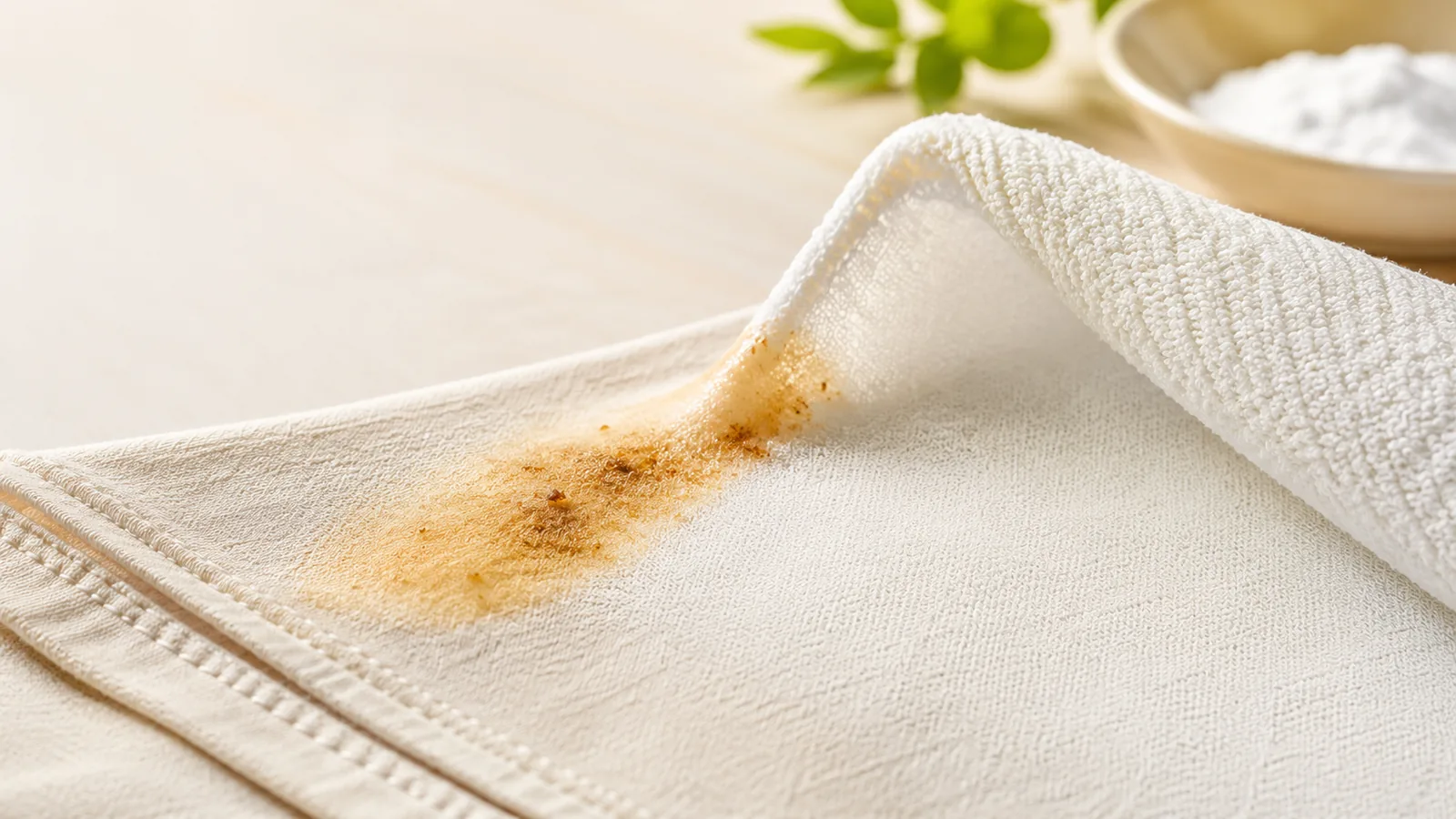
The grime inside an oven is grease and sugar that splattered and then got baked again and again: the Thanksgiving turkey, the lasagna that bubbled over, the frozen pizza that dripped cheese. With each round of heat, it hardens into a crust that water and a sponge cannot move.
Read also: How to remove grease stains from clothes without ruining the fabric and How to organize your fridge to save money.
Why baking soda works
Baking soda is a mild base and a gentle abrasive, according to the American Cleaning Institute. Mixed with water into a paste, it helps soften grease and lets you scrub without scratching most oven surfaces. The secret is time: letting it sit for hours does more than scrubbing hard.
Source: American Cleaning Institute.
Step by step
- With the oven cold and off, take out the racks.
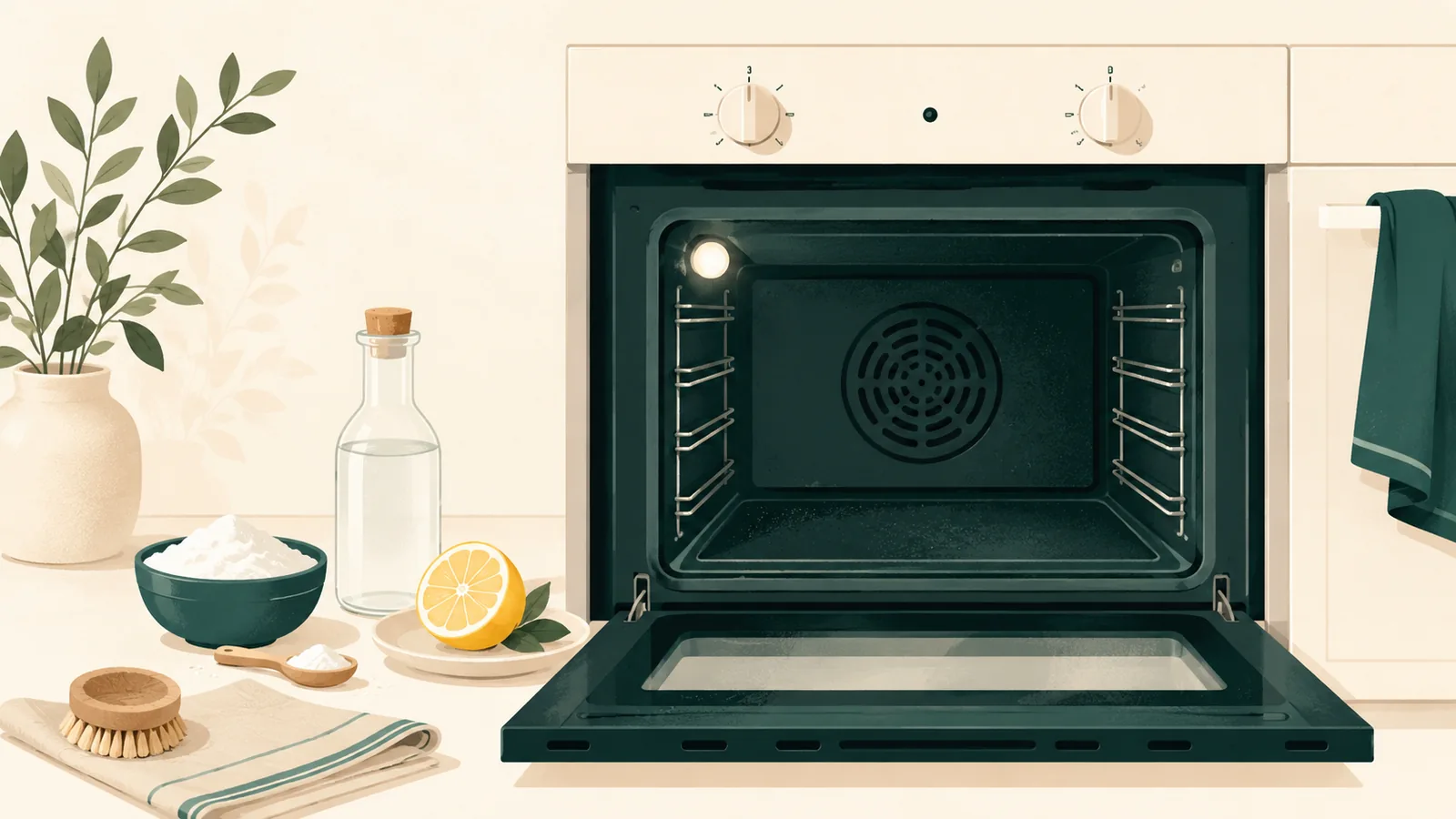
- Mix about half a cup of baking soda with a few tablespoons of water into a spreadable paste.
- Spread it on the inside walls, avoiding the heating elements and, on gas ovens, the burner ports.
- Let it sit for several hours, ideally overnight.
- Wipe it off with a damp cloth and a plastic scraper.
- Spray a little white vinegar where white residue remains, then wipe with a clean cloth.
- Soak the racks in the bathtub with hot water and dish soap, then scrub.
Why not mix baking soda and vinegar in a jar
The fizz you see when baking soda meets vinegar looks impressive, but it is a sign that one is canceling out the other. Baking soda is a weak base and vinegar is a weak acid: together they turn into carbon dioxide, water and a salt called sodium acetate. What is left in the jar cleans less than either one alone.
That is why the method works in two stages. First, the baking soda paste sits for hours on the baked-on grease. Only when you wipe it away does the vinegar come in, sprayed on the white leftovers to loosen them and help rinse.
What about the self-clean cycle?
Many ovens sold in the U.S. have a self-clean setting that heats the oven to very high temperatures and turns food residue to ash. It works, but it can produce smoke and strong odors, so open windows, turn on the range hood and keep pets, especially birds, away from the kitchen. Never put baking soda paste, foil or cleaners inside before running it, and follow your oven's manual. Many people prefer the gentle method for routine cleaning and save the self-clean cycle for heavy buildup.
How to keep the oven cleaner
- Use pans with high sides, and cover very greasy roasts with foil for the first part of cooking.
- Put an empty sheet pan on the lower rack under dishes that tend to bubble over, like casseroles and pies.
- After cooking, once the oven is warm and off, wipe fresh splatters with a damp cloth.
- Never mix cleaning products, especially bleach with ammonia or acids, because the mix can release toxic gases. Always follow the label.
Sources
- American Cleaning Institute. https://www.cleaninginstitute.org/
Frequently asked questions
Will baking soda scratch my oven?
It is a gentle abrasive and is usually safe on oven enamel. On delicate surfaces, test a small area first.
Can I use vinegar with it?
Use vinegar only at the end to remove white residue; mixed together beforehand, they neutralize each other.
Is the self-clean cycle safe?
It is designed for the oven, but it gets very hot and can smoke. Ventilate well, keep pets away and follow the manual.
Why does my oven smoke when it is dirty?
Leftover grease and food burn again every time you use it. Wiping spills soon after cooking prevents smoke and burnt smells.