Why the bill changes from month to month
Besides how much you use, your bill depends on how your utility charges for power. Many U.S. utilities use tiered rates, where each kilowatt-hour gets more expensive after you pass a certain amount in the month. Others offer time-of-use plans, where power costs more in peak hours, usually late afternoon and early evening, and less at night. Bills also climb in summer and winter, when air conditioning and electric heat run for hours.
Your rate plan is printed on your bill and on your utility's website. If you are on time-of-use pricing, moving the dishwasher, laundry and EV charging to off-peak hours can save money without using less.
Read also: How to make clothes last longer by washing them right and How to organize your fridge to save money.
The formula that exposes the energy hog
To estimate what an appliance uses: wattage, times hours of use per day, times days in the month, divided by 1,000. The result is in kilowatt-hours (kWh), the unit on your bill.
Example: a 1,500-watt space heater running 4 hours a day uses 1,500 times 4 times 30, divided by 1,000, which comes to 180 kWh a month. Multiply that by the price per kWh on your bill and you have the approximate cost of that heater alone. The wattage is on the label or in the manual.
Where most of the power goes
The U.S. Energy Information Administration tracks how homes use electricity in its Residential Energy Consumption Survey. The big categories are heating and cooling equipment, water heaters, refrigerators, lighting and electronics. In most homes, the climate-related ones, air conditioning in the South and electric heat in colder places, are what swing the bill the most.
Source: U.S. Energy Information Administration, How is electricity used in U.S. homes?.
Changes that work
- Thermostat: a few degrees higher in summer and lower in winter makes a real difference; a smart or programmable thermostat does it for you when nobody is home.
- Air conditioning: keep doors and windows closed, change the filter regularly and close blinds on sunny sides of the house.
- Water heater: if it is electric, setting it to 120°F is usually enough and shorter showers help.
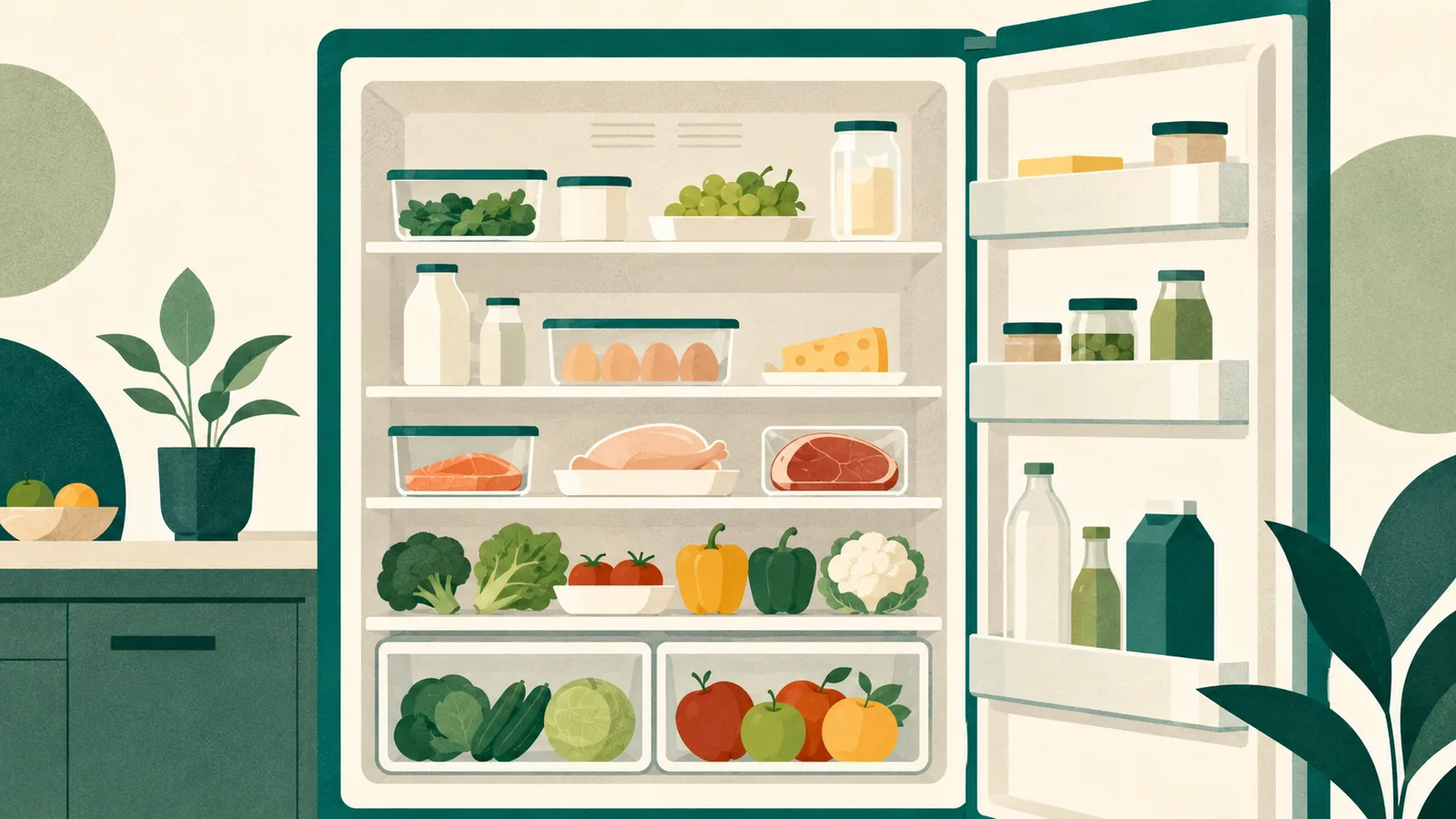
- Fridge: away from the oven and direct sun, door open only as needed, door seals in good shape.
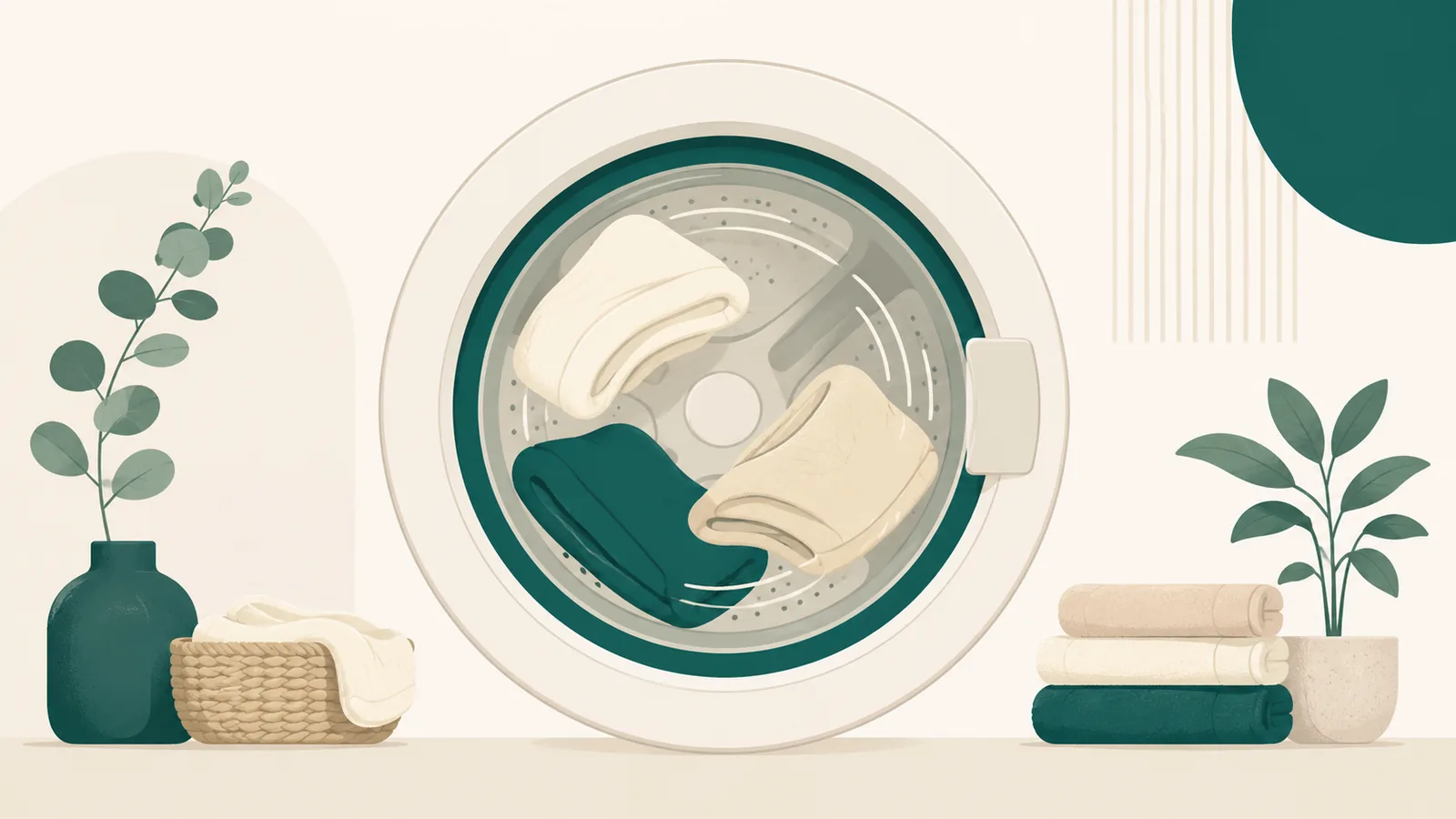
- Laundry: full loads and cold water. See why washing in cold water helps.
- Lighting and electronics: LED bulbs, and a smart power strip for the TV setup and gaming console.
- New appliances: look for the ENERGY STAR label.
If you are struggling to pay
The federal Low Income Home Energy Assistance Program, LIHEAP, helps eligible households pay heating and cooling bills, and many utilities offer payment plans, budget billing and their own discount programs. Call your utility before you fall behind, and contact your state or local LIHEAP office to see if you qualify.
Source: Administration for Children and Families, LIHEAP.
Sources
- U.S. Energy Information Administration. How is electricity used in U.S. homes? https://www.eia.gov/tools/faqs/faq.php?id=96&t=3
- Administration for Children and Families. Low Income Home Energy Assistance Program (LIHEAP). https://www.acf.hhs.gov/ocs/programs/liheap
Frequently asked questions
How do I calculate what an appliance costs to run?
Multiply its wattage by hours of use per day and days in the month, divide by 1,000 to get kWh, then multiply by your price per kWh.
What uses the most electricity at home?
Heating and cooling, water heaters and refrigerators are among the biggest users in U.S. homes, according to EIA data.
Does unplugging appliances save money?
A little, for devices that sit in standby. The bigger savings come from heating, cooling and the water heater.
What is a time-of-use plan?
A rate plan where electricity costs more during peak hours and less off-peak. Shifting laundry and dishwashing to off-peak hours can lower the bill.