Water and grease do not mix
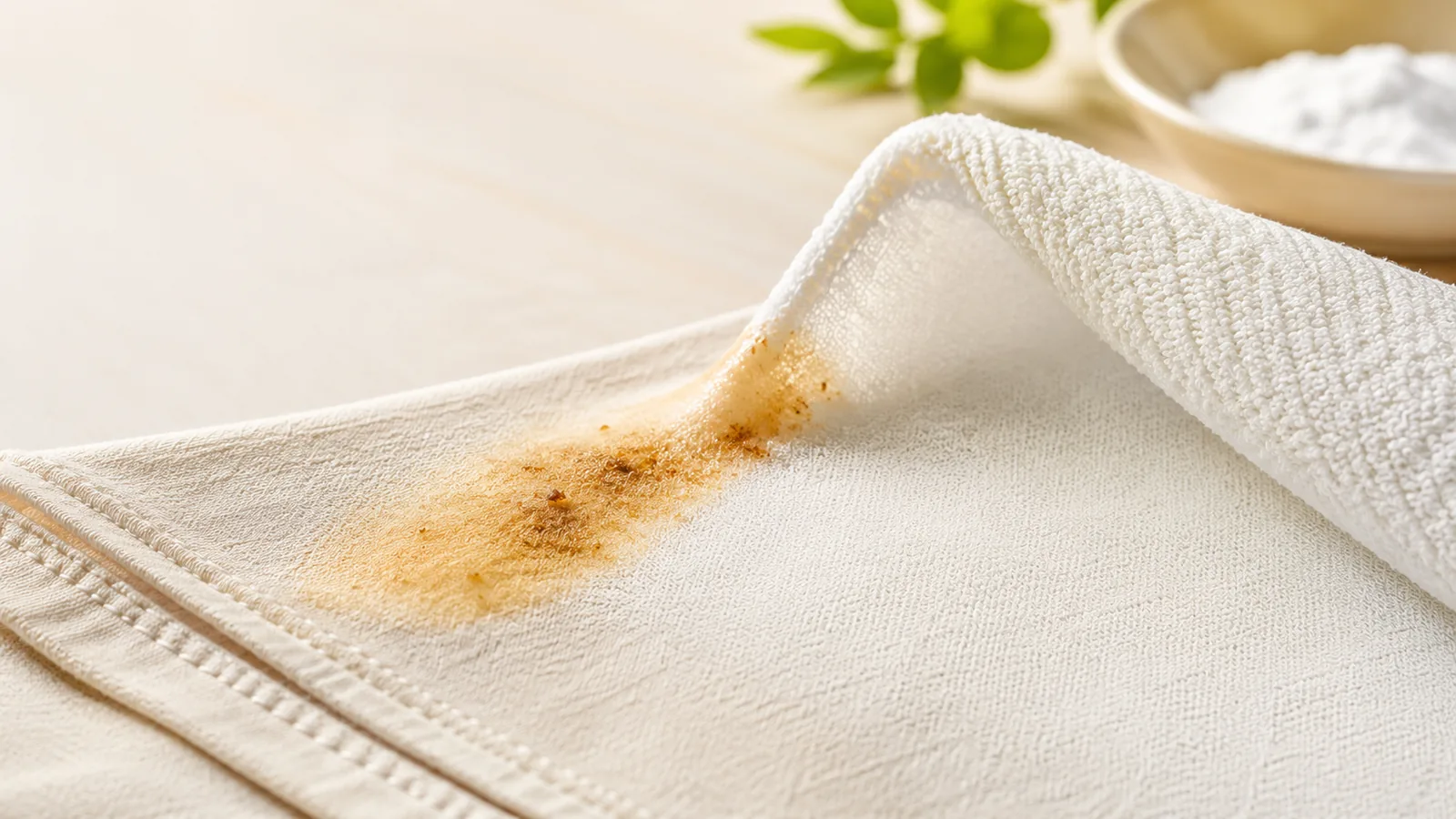
Anyone who has tried to rinse a drop of salad dressing, pizza oil or burger grease off a T-shirt knows the result: the stain stays, sometimes bigger. The reason is chemistry. Water molecules have an uneven charge and stick to each other. Grease molecules do not. So water flows past grease without being able to grab it.
Grease, on the other hand, clings to fabric fibers, especially synthetics like polyester, which also attract oil.
Read also: How to make clothes last longer by washing them right and How to clean your oven without harsh chemicals.
What detergent does differently
Soaps and detergents are made of molecules called surfactants. Each one has two ends: one that bonds with water and one that bonds with grease. When you rub it in, the grease-loving end grabs the stain and the other end faces the water. The molecules form tiny spheres around the droplets of oil, and those spheres get carried away in the rinse.
That is why dish soap, the kind made for greasy pans, works so well on clothes: it is packed with exactly this type of molecule.
Source: American Cleaning Institute, Soaps and Detergents.
The mistake that sets the stain
Warm water helps loosen grease during the wash, but dry heat afterward is another story. Putting the item in the dryer or ironing it with the stain still there tends to bake the residue into the fibers, and then it is much harder to remove. Rule of thumb: only use the dryer once you have checked the stain is gone.
Another common mistake is scrubbing hard right away. That spreads the oil and pushes it deeper into the fabric.
What to do, in order
- Blot the excess with a paper towel, without rubbing. On a fresh stain, a little cornstarch or baby powder for a few minutes helps draw out the oil.
- Apply a few drops of dish soap directly to the stain and work it in with your fingers, from the outside in.
- Let it sit 10 to 15 minutes so the surfactants can surround the grease.
- Wash as usual, in the warmest water the care label allows.
- Check before drying. If a shadow remains, repeat. Several gentle rounds work better than one aggressive one.
Delicate fabrics like silk and wool need a test on a hidden spot first, and the care label always has the final word.
What if it already went through the dryer?
It is still worth trying. Apply dish soap, let it sit longer and wash again. Old grease stains sometimes darken because they collect dirt; they may need two or three rounds. For clothes that come out of storage smelling stale, see how to get the musty smell out of clothes.
Sources
- American Cleaning Institute. Soaps and Detergents. https://www.cleaninginstitute.org/understanding-products/why-clean/soaps-detergents
Frequently asked questions
Does hot water remove grease stains?
It helps during the wash by softening the grease, but on its own it does not work. The detergent is what lifts the stain.
Does vinegar work on grease stains?
Vinegar does not dissolve grease the way surfactants do. It is more useful for odors and mineral residue.
Can I use dish soap on colored clothes?
In most cases, yes. Regular dish soap rarely fades colors, but test it on a hidden spot first.
Can a stain that went through the dryer still come out?
Often, yes, but it may take two or three rounds of dish soap and washing.