Battery: it only pays off on OLED screens
The savings depend on the type of screen. On OLED and AMOLED displays, which most recent iPhones and many Samsung Galaxy and Google Pixel phones use, each black pixel is a pixel that is switched off, so a dark background uses less power. On LCD screens, common on budget phones and many laptops, a backlight is always on behind the image, and dark mode barely changes power use.
Even on OLED, the gain depends on brightness. With the screen turned up, the difference shows; at low brightness, it is small. To find out which screen you have, look up your phone model's spec sheet.
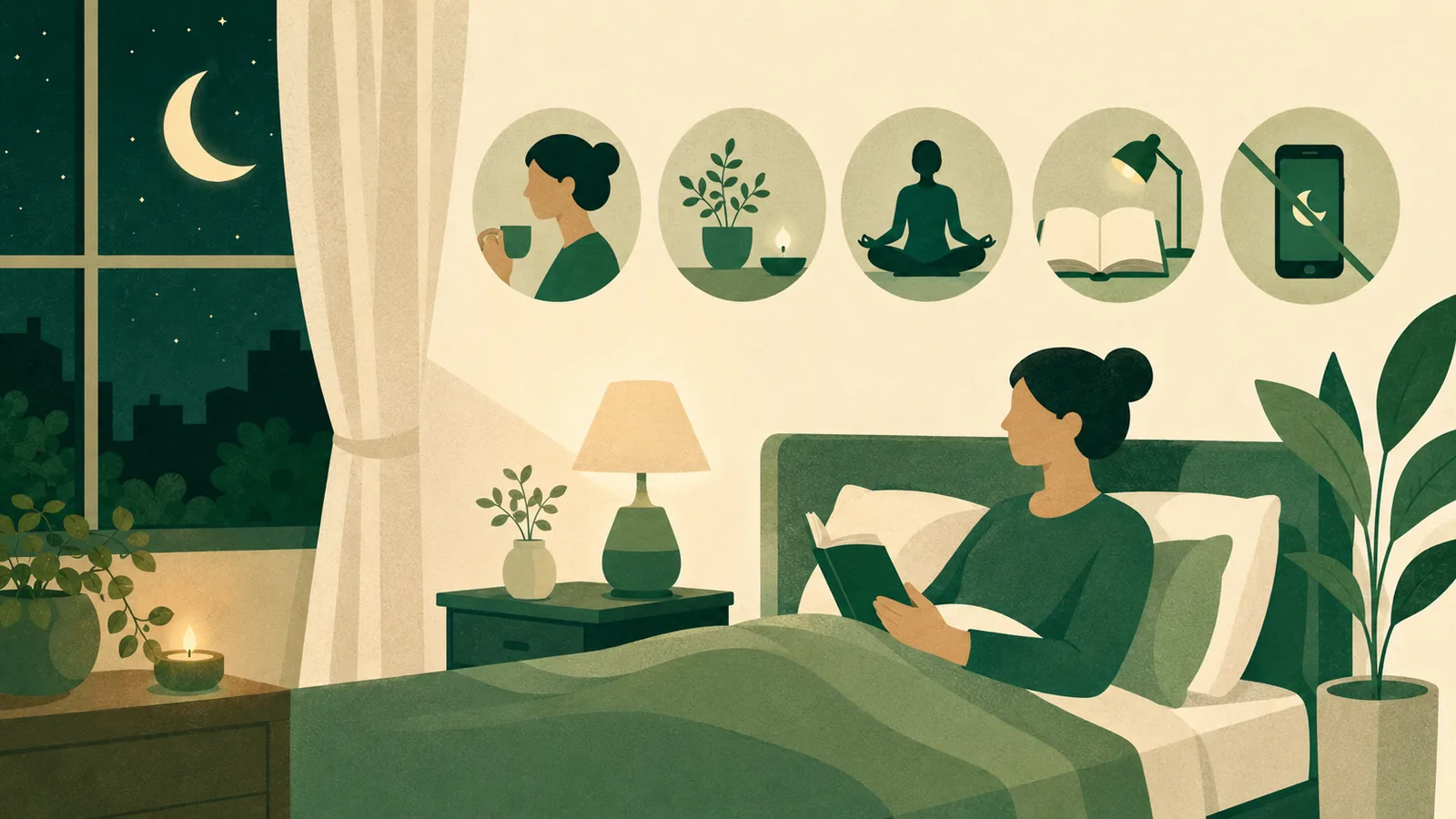
Read also: Airplane mode is not just for flights: other useful ways to use it and 5 nighttime habits that help you sleep better without medication.
Eye comfort: it depends on the light around you
In a dark room, dark mode cuts the harsh contrast between a bright screen and the surroundings, which can feel easier on the eyes. In bright light, the effect can flip: light text on a dark background loses contrast and becomes harder to read.
For long texts, many people read more comfortably with dark text on a light background, especially in a well-lit room. Dark mode also bothers some people with astigmatism, who see a halo effect around light letters. The practical answer is to test both on a long read and keep the one that tires you less.
Sleep: the light matters, not the theme color
A study published in PNAS compared reading on a light-emitting device with reading a printed book before bed. People who used the screen took longer to fall asleep, had less melatonin, less REM sleep and were sleepier the next morning.
Dark mode reduces how much light reaches your eyes, but it does not turn your phone into a paper book. What actually helps is turning brightness down, using Night Shift or the night light filter, and putting the phone away before bed.
Source: Chang et al., Evening use of light-emitting eReaders, PNAS, 2015.
The best setup for most people
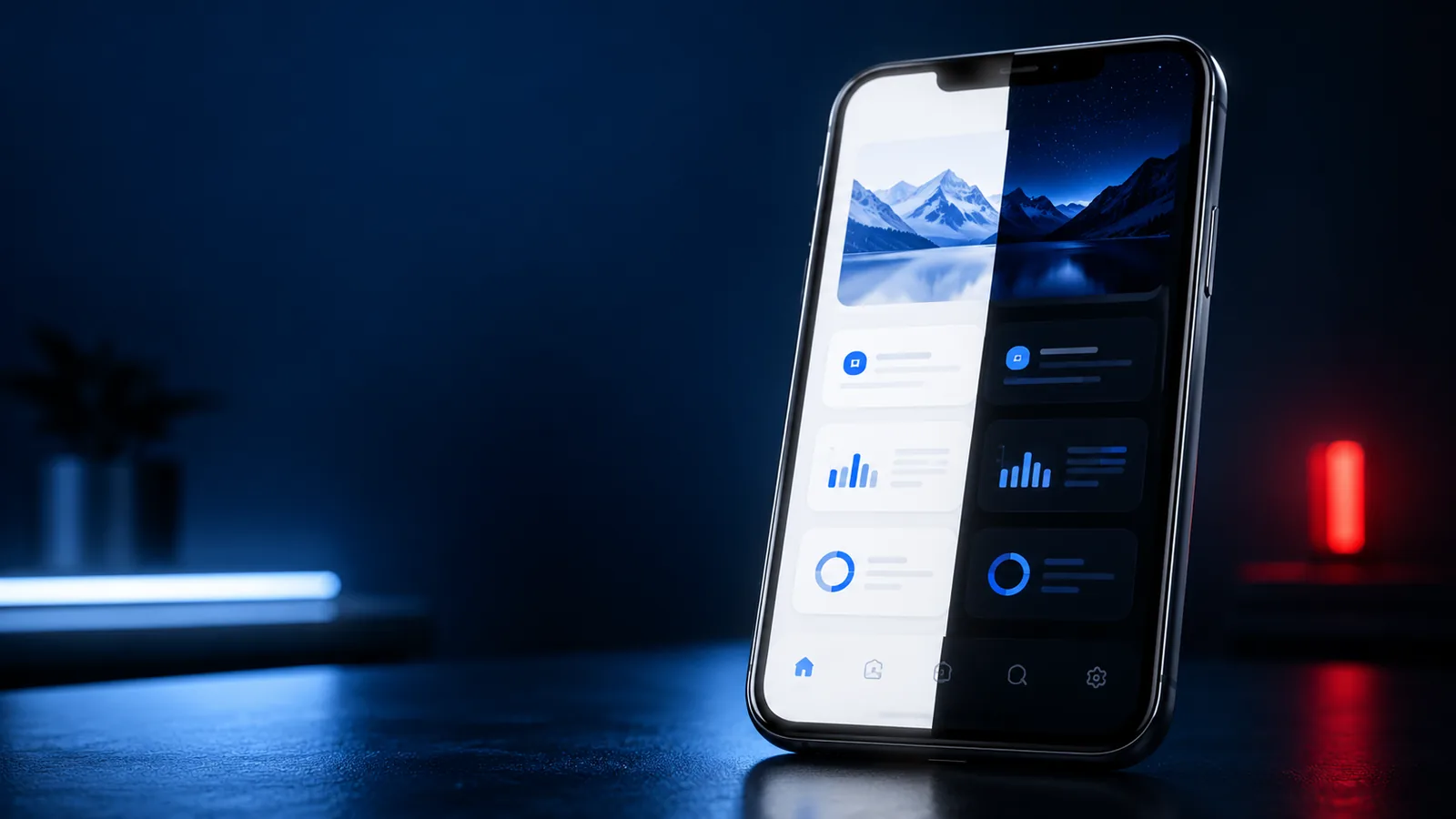
A simple combination works for most people: light mode during the day in bright places, dark mode at night or in dim rooms. Both iPhone and Android let you switch automatically at sunset, so you never have to think about it. Keep in mind that some apps ignore the system setting and stay light even with dark mode on. For more on winding down at night, see 5 nighttime habits that help you sleep better.
Sources
- Chang AM et al. Evening use of light-emitting eReaders negatively affects sleep, circadian timing, and next-morning alertness. PNAS, 2015. https://doi.org/10.1073/pnas.1418490112
Frequently asked questions
Does dark mode save battery?
On OLED and AMOLED screens, yes, especially at high brightness. On LCD screens, the difference is minimal.
Is dark mode easier on the eyes?
It depends on the person and the lighting. In dark rooms it often feels better; for long reading in bright light, many people do better with light mode.
Does dark mode help you sleep?
Only a little. The PNAS study shows the issue is screen light before bed; lowering brightness and stopping use before bed works better.
Is there a downside to dark mode?
In bright places it can make text harder to read, and some people with astigmatism see halos around light letters.