What it is
Dream interpretation is not prediction and not diagnosis. This article separates what sleep research observes from what popular interpretation associates with the theme.
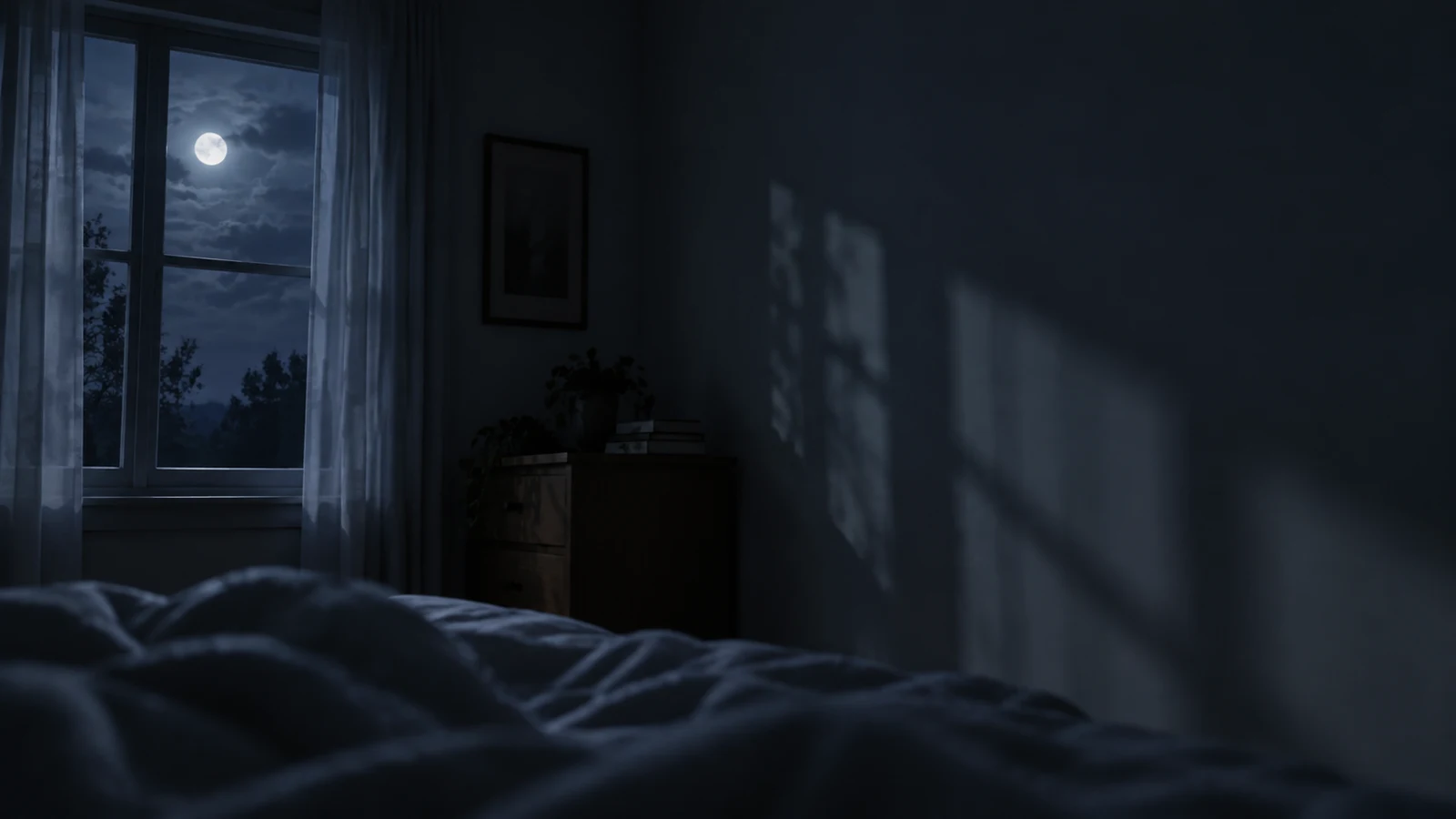
Sleep paralysis is waking with an alert mind while the body is still in the muscle atonia of REM sleep. You take in the room but cannot move or speak for seconds or a few minutes. It is frightening and it is harmless.
Read also: Dreams about flying: what happens in the brain and Dreaming about death: why it happens and what it does not mean.
More common than it seems
A systematic review pooled studies with tens of thousands of participants and estimated that about 8% of the general population has had at least one episode, with higher rates among students and among people with psychiatric conditions.
Source: Sharpless and Barber, Lifetime prevalence rates of sleep paralysis, Sleep Medicine Reviews, 2011.
The hallucinations that come with it
Many people report a presence in the room, footsteps or voices, pressure on the chest and trouble breathing. A study organised these reports into groups and showed they follow a predictable pattern tied to the brain state, not to anything outside the room. The same pattern appears in very different cultures, under many local names.
Source: Cheyne, Sleep paralysis and the structure of waking-nightmare hallucinations, Dreaming, 2003.
What to do during and after
During an episode it passes on its own. Focusing on moving a finger or a toe and keeping your breathing calm usually shortens the feeling.
To make episodes rarer, sleep guidance points to the basics done well: similar bed and wake times, no stacking of short nights, less alcohol and caffeine at night, and, when possible, not sleeping on your back, the position most associated with episodes.
Frequent nightmares can be treated
If episodes are frequent, come with intense fear, or nightmares are wrecking your sleep, see a professional. The American Academy of Sleep Medicine published a position paper on treating nightmare disorder in adults, and imagery rehearsal therapy is among the recommended options.
See also dream meanings.
Sources
- Sharpless BA, Barber JP. Lifetime prevalence rates of sleep paralysis: A systematic review. Sleep Medicine Reviews, 2011. https://doi.org/10.1016/j.smrv.2011.01.007
- Cheyne JA. Sleep paralysis and the structure of waking-nightmare hallucinations. Dreaming, 2003. https://doi.org/10.1023/A:1025373412722
- Morgenthaler TI et al. Position Paper for the Treatment of Nightmare Disorder in Adults. Journal of Clinical Sleep Medicine, 2018. https://doi.org/10.5664/jcsm.7178
Frequently asked questions
Is sleep paralysis dangerous?
No. It is frightening but harmless, and it passes on its own within seconds or a few minutes.
How many people have had it?
A systematic review estimated about 8% of the general population has had at least one episode.
Why do I sense a presence in the room?
It is a typical hallucination of that state, with a similar pattern across cultures. It does not indicate anything outside.
What helps prevent it?
Regular sleep, avoiding sleep deprivation, less alcohol and caffeine at night, and avoiding sleeping on your back.