How dengue begins
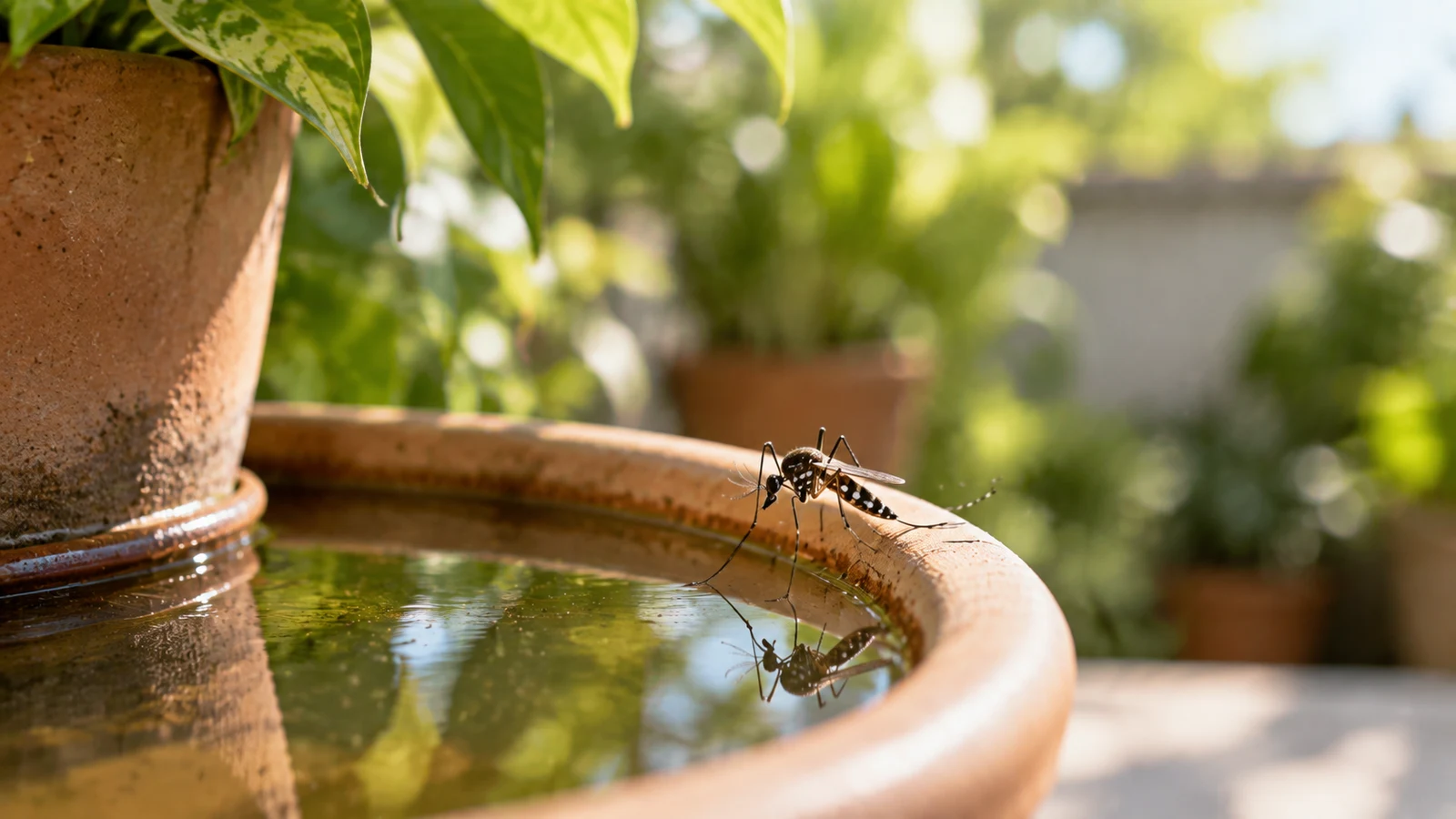
Dengue is caused by a virus transmitted by the bite of the Aedes aegypti mosquito. In most people, it starts with a sudden high fever, headache, pain behind the eyes, body and joint aches, tiredness and, sometimes, red spots on the skin.
Many people recover at home with rest and plenty of fluids. The care is not to relax when the fever goes away.
Read also: Anxiety signs in the body: how to recognize them and Too much caffeine: signs you are overdoing it.
The moment that needs the most attention
According to Brazil's Ministry of Health, the critical phase begins precisely when the fever drops, usually between the third and seventh day of symptoms. This is when the warning signs can appear, indicating a risk that the disease will progress to its severe form.
Source: Ministry of Health, dengue, frequently asked questions.
The warning signs
Seek care immediately if any of these signs appear:
- severe, continuous belly pain;
- vomiting that will not stop;
- dizziness or fainting when standing up;
- bleeding from the gums, nose or other mucous membranes;
- excessive sleepiness or irritability;
- swelling or fluid buildup in the body.
The Ministry of Health also lists changes that only tests identify, such as an enlarged liver and increased hematocrit. Pregnant women, babies, older adults and people with chronic diseases, such as diabetes and hypertension, have a higher risk of complications and should seek evaluation from the first symptoms.
What to do and what to avoid at home
- Drink plenty of fluids: water, oral rehydration solution, juices and broths. Hydration is a central part of treatment.
- Do not take anti-inflammatories or acetylsalicylic acid on your own, because they can raise the risk of bleeding. Use only the fever and pain medication recommended by a health professional.
- Go back to the health service if symptoms do not improve or if any warning sign appears.
Also see signs of dehydration that go unnoticed.
Prevention starts at home
The mosquito breeds in standing water. A weekly ten-minute check helps: turn over bottles and buckets, put sand in plant saucers, keep water tanks and drums covered, clean gutters and drains and do not leave tires exposed to rain. Ask at your health center about the vaccination available for your age.
Sources
- Ministério da Saúde (Brazil). Dengue: frequently asked questions. https://www.gov.br/saude/pt-br/assuntos/saude-de-a-a-z/d/dengue/faq
Frequently asked questions
When does dengue become dangerous?
Mainly when the fever begins to go away, between the third and seventh day. This is the phase when the warning signs appear.
What are the warning signs of dengue?
Severe, continuous abdominal pain, persistent vomiting, dizziness when standing, bleeding, sleepiness or irritability and fluid buildup.
Can I take an anti-inflammatory with dengue?
Not on your own. Anti-inflammatories and acetylsalicylic acid can raise the risk of bleeding. Follow the health professional's guidance.
How do I prevent dengue?
By getting rid of standing water at home every week and asking at your health center about vaccination.