How the scam usually works
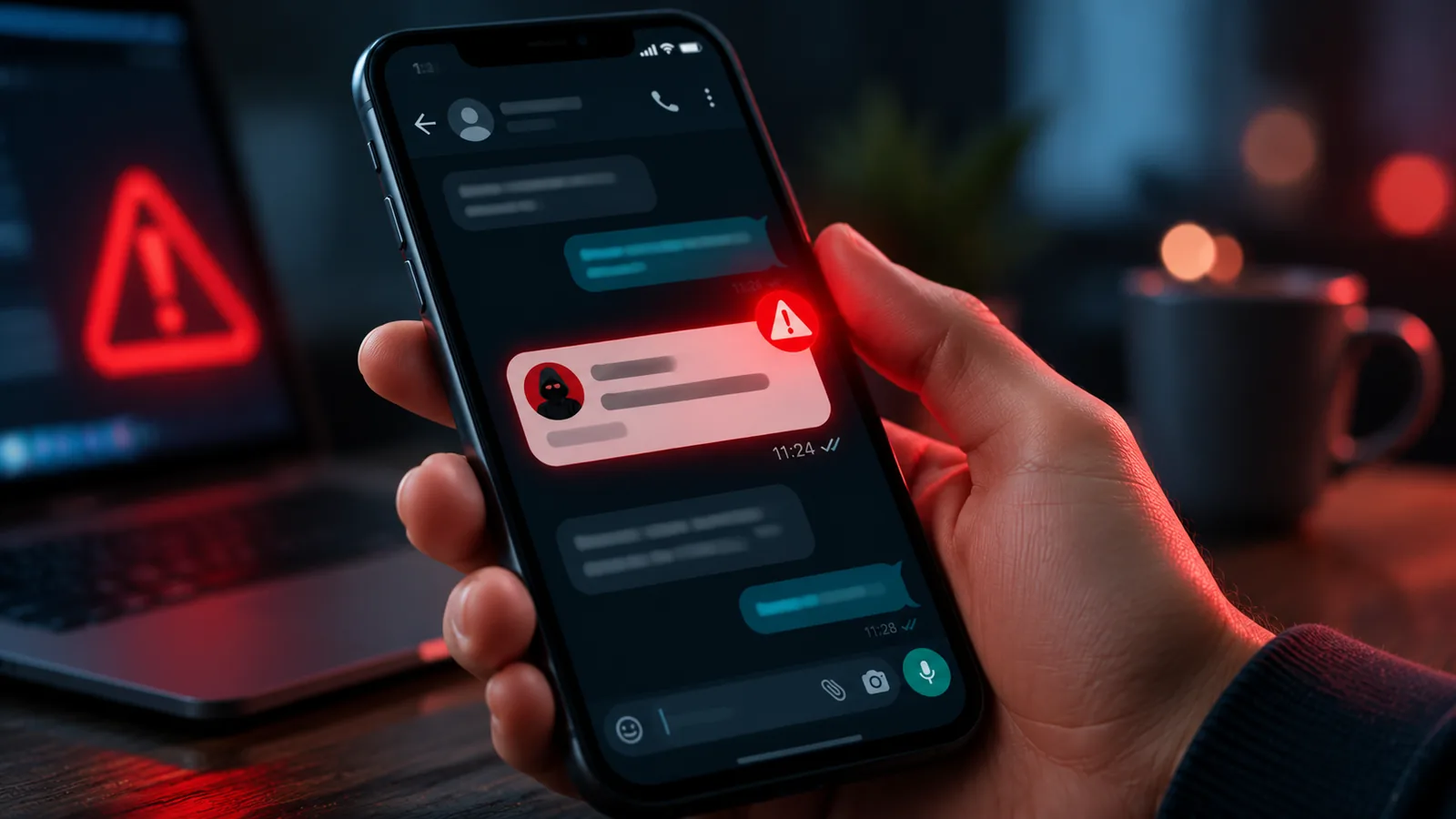
"Hi, I'm a recruiter. Remote job, $300 a day, just rate products." If you have received a text or WhatsApp message like that from an unknown number, you know the script. The offer is vague, does not mention your name or a specific role and promises high pay for simple tasks.
Next, you are moved to a group or a "mentor" on Telegram. The first tasks may even pay a few dollars to build trust. The trap closes when they ask you to deposit money, often in crypto, to "unlock" bigger earnings or a higher level.
Read also: How to tell if your WhatsApp was hijacked and what to do and Bank impersonation scams: how to spot fake messages from your bank.
The rule that exposes almost every scam
A real employer never asks you to pay to get a job: no fee for training, equipment, background checks, visas or "account activation." If money has to go from you to them at any point, it is a scam, no exceptions. And a legitimate company does not hire entirely by text without any interview or official channel.
Source: Federal Trade Commission, Job Scams.
The most common formats right now
- Task scams: liking videos, rating apps or "optimizing" products, with small early payouts and then deposits required.
- Fake check scams: they mail you a check to buy equipment from their "vendor"; the check bounces after you send the money.
- Reshipping jobs: receiving packages at home and forwarding them, which can involve stolen goods.
- Fake interviews by chat that ask for your Social Security number, a photo of your ID and bank details before any offer.
Check it in two minutes
- Look for the job on the company's official careers page or LinkedIn page. If it is not there, be suspicious.
- Call the company using a number you found yourself, never the one in the message.
- Check the email domain and link addresses. See how to spot a fake website.
- Never share a verification code sent by text. That is how scammers take over your accounts.
If you already paid or shared data
Stop all contact, contact your bank or the payment app right away, and report it at ReportFraud.ftc.gov. If you gave your Social Security number, visit IdentityTheft.gov for a recovery plan and consider freezing your credit. Change passwords on any account involved and turn on two-factor authentication.
Sources
- Federal Trade Commission. Job Scams. https://consumer.ftc.gov/articles/job-scams
Frequently asked questions
Can a real job ask me to pay for training or equipment?
No. Paying to get a job is the clearest sign of a scam.
Why did they pay me at first?
Small early payments are bait to earn your trust before asking for larger deposits.
Is it safe to reply to these messages?
It is better not to. Block and report the number in the app, and verify any real opportunity through the company's official site.
What should I do if I sent my Social Security number?
Go to IdentityTheft.gov, consider a credit freeze at the three bureaus and watch your accounts closely.