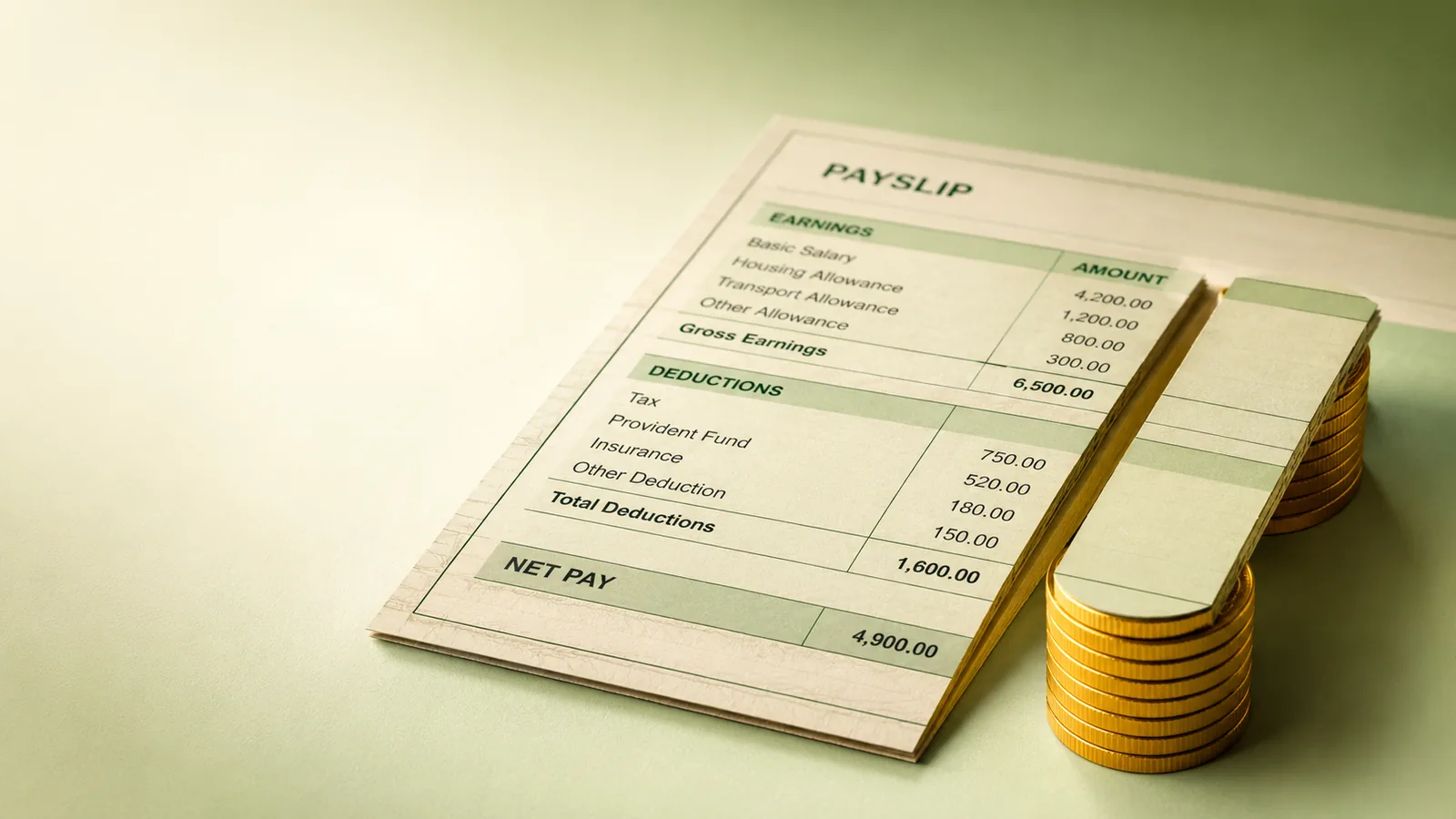
How payroll repayment works
With a 401(k) loan, you borrow from your own retirement account and repay it through automatic deductions from your paycheck. There is no credit check, and the interest you pay goes back into your account instead of to a bank. That is why it can look cheaper than a personal loan or a credit card.
Not every plan offers loans. Check your plan documents or your HR portal to see if yours does and what it charges in fees.
Read also: Credit card revolving interest: why it grows so fast and Emergency fund: how much to save and where to keep it.
The IRS limits
Under IRS rules, a plan can let you borrow up to 50% of your vested balance, or $10,000 if that is greater, with a cap of $50,000. In most cases, the loan must be repaid within 5 years in roughly equal payments at least quarterly; plans can allow longer terms for buying your main home.
If you leave or lose your job with a balance still owed, the unpaid amount can be treated as a distribution. You generally have until your tax filing deadline for that year, including extensions, to roll it over. If you do not, it counts as taxable income and, if you are under 59½, may also trigger a 10% early withdrawal penalty.
Source: Internal Revenue Service, Retirement plans FAQs regarding loans.
The hidden costs
- Lost growth. The money you borrow is out of the market while you repay it. If stocks rise in that period, you miss those gains.
- Smaller paychecks. Because the payment comes out automatically, a large loan squeezes your take-home pay every month, and that is hard to undo.
- Contributions on hold. Some people pause their regular contributions to afford the payment, which can mean losing the employer match.
- Double taxation on interest. You repay with after-tax dollars, and that money is taxed again when you withdraw it in retirement.
When it makes sense and when it does not
It can make sense when it replaces expensive debt, like credit card balances at 20% or more, and you close or cut the old card limit the same day. It can also help with a true one-time emergency when you have no other savings.
It usually does not make sense for everyday spending, vacations or to cover a gap that will come back next month, and it is risky if your job feels unstable. See why revolving interest grows so fast and how to build an emergency fund so you do not need to borrow next time.
Sources
- Internal Revenue Service. Retirement plans FAQs regarding loans. https://www.irs.gov/retirement-plans/retirement-plans-faqs-regarding-loans
Frequently asked questions
How much can I borrow from my 401(k)?
Up to 50% of your vested balance, or $10,000 if greater, with a $50,000 cap, if your plan allows loans.
What happens if I quit with a 401(k) loan?
The unpaid balance can become a taxable distribution unless you roll it over by your tax filing deadline, and a 10% penalty may apply if you are under 59½.
Does a 401(k) loan affect my credit score?
Generally no. It is not reported to credit bureaus because you are borrowing from your own account.
Is a 401(k) loan better than a credit card?
It usually costs less than carrying a card balance, but it has hidden costs like lost investment growth. It works best to pay off expensive debt once, not as ongoing credit.