The drop that feels unfair
You paid everything, nothing was late, and your score still dropped. It feels unfair, but the explanation is in how the score is built: it does not only measure whether you pay. It measures your whole relationship with credit, and part of that changes without you noticing.
Read also: Credit card revolving interest: why it grows so fast and Emergency fund: how much to save and where to keep it.
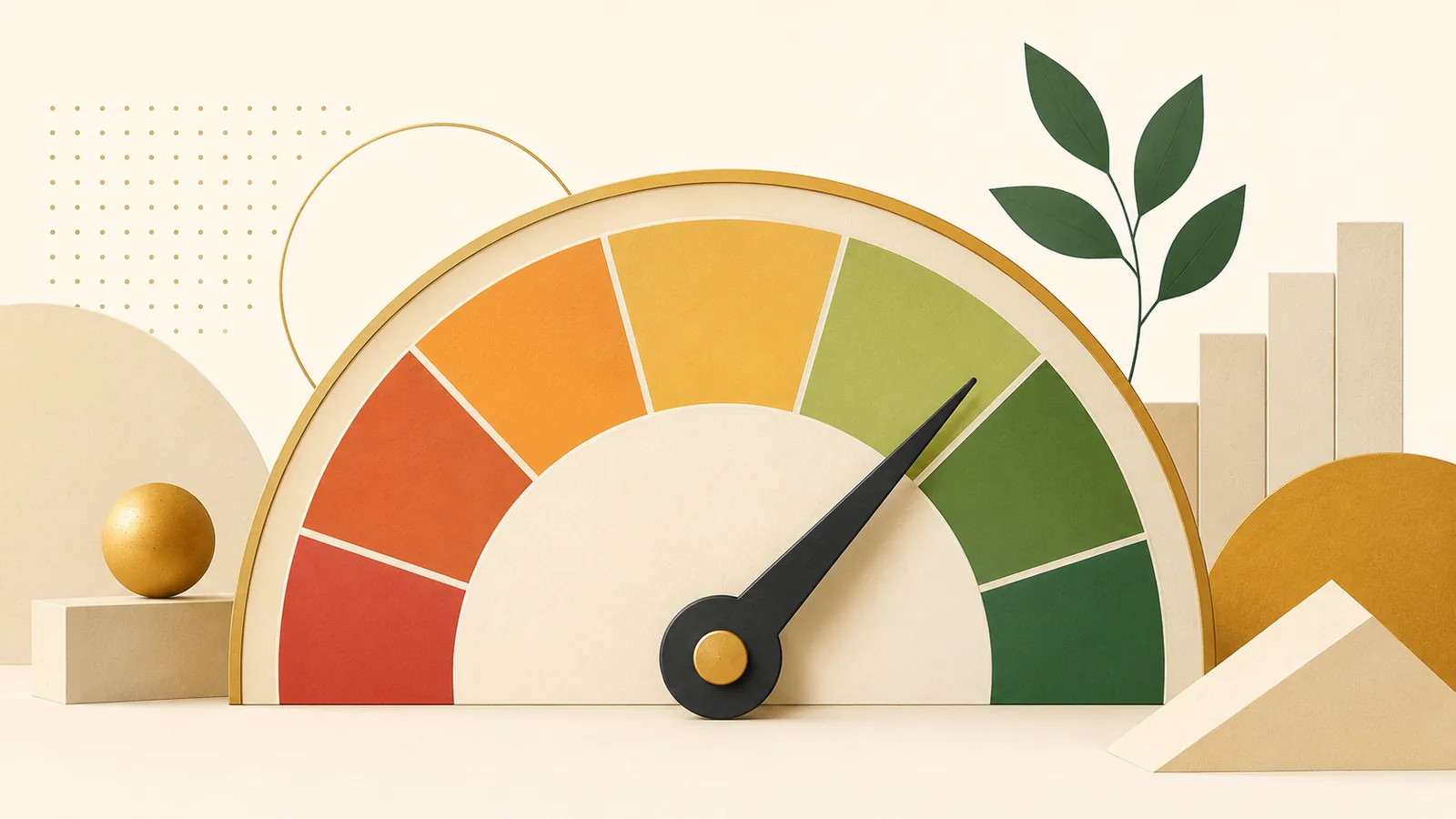
What goes into a FICO Score
FICO, the most widely used score in U.S. lending, publishes the general weight of each category:
| Category | Weight |
|---|---|
| Payment history | 35% |
| Amounts owed, including credit utilization | 30% |
| Length of credit history | 15% |
| New credit, including recent applications | 10% |
| Credit mix | 10% |
In other words, paying on time is the biggest factor, but the other 65% still counts. VantageScore, another common model, uses similar factors with different weights.
Source: myFICO, How are FICO Scores calculated?.
Common reasons for a dip
- High utilization. If your card reported a high balance on the statement date, your utilization jumps, even if you pay in full a few days later. Keeping balances well below your limits helps.
- Several hard inquiries. Applying for cards, loans or a car in a short time adds hard inquiries. Checking your own score does not count. Rate shopping for a mortgage or auto loan within a short window is usually treated as one inquiry.
- Paying off or closing an account. It sounds backward, but closing an old card can shorten your history and raise utilization, and paying off your only installment loan changes your credit mix. The dip is usually small and temporary.
- Errors on your report. A late payment that is not yours or an account you never opened can drag the score down.
Check your reports for free
Your score is calculated from your credit reports at the three bureaus: Equifax, Experian and TransUnion. You can get free reports from all three at AnnualCreditReport.com, the official site, now weekly. If you find an error, you have the right to dispute it with the bureau, which must investigate. If you suspect identity theft, you can also freeze your credit for free at each bureau.
Source: AnnualCreditReport.com.
What to do with this
- Set up autopay for at least the minimum on every card and loan, so a busy month never becomes a late payment.
- Space out credit applications. Several in a row weigh on the score.
- Keep your oldest card open if it has no annual fee: length of history counts.
- Watch the trend over months, not the swing of one week.
Sources
- myFICO. How are FICO Scores calculated? https://www.myfico.com/credit-education/whats-in-your-credit-score
- AnnualCreditReport.com. https://www.annualcreditreport.com/
Frequently asked questions
Does paying off a loan early hurt my score?
It can cause a small, temporary dip because your credit mix changes. That is not a reason to avoid paying it off.
Does checking my own score lower it?
No. Checking your own score or report is a soft inquiry and does not affect it.
How long does it take for a score to go back up?
It depends on the cause. High utilization can recover in a month or two once balances drop; hard inquiries lose weight over time and stop counting for FICO after a year.
Where can I get my credit reports for free?
At AnnualCreditReport.com, the official site for free reports from Equifax, Experian and TransUnion.